Killing the Irish: The Great Potato Famine 


When The Great Potato Famine was over in 1852, one million people in Ireland were dead. Most of them were dead from the long, slow, and torturous death of starvation and the epidemics that followed. Roughly 1.5 million Irish residents watched their loved ones, friends, and fellow countrymen die in this manner, and they left, convinced the course their country was on would be irreversible. In those seven years, 1845-1852, twenty percent of Ireland’s 8.175 million people were simply gone, and famine scholars declare it one of the most severe famines of the modern era when measured by mortality rate. It devastated Ireland to such a degree that some argue it took generations for it to “recover” in a relative sense. And according to my stepdad, I compounded our mother country’s tragedy by missing a question about it on a World History test.

“You didn’t even know it happened?” he asked. “It was the worst thing that ever happened to our people, and we probably wouldn’t be here if our ancestors weren’t one of the lucky few to get out.”  

“I’m sorry, but it was just so boring,” I said. “The whole subject of World History is just one long bore.” This further outraged my stepdad, and the fact that I still bring this exchange up shows that I still feel some shame. I feel better about it now, decades later, because I think about the ‘just the facts’ style of writing that occurs in World History textbooks. I understand that a comprehensive collection of the history of man requires a facts first presentation that complies with standards and curriculum, but the core of the word history is story. I think it would be a great idea for the team that puts History textbooks together to commission some creative writers to take the data and create a compelling narrative. I know my history now, because I’ve read some incredibly talented authors who wrote compelling books on the same material, and I’ve listened to podcasters who know how to bring history alive. We didn’t learn World History in the classes I took in high school. We memorized names and dates.

“What was the question you missed?” my stepdad asked after he cooled off a bit.

“It was something along the lines of, ‘This almost destroyed the country of Ireland.’ I guessed revolution, as in Oliver Cromwell, and all that.”

“It wasn’t Cromwell, it was a damned fungus eating up Ireland’s potatoes.” 

It wasn’t a microscopic fungus that brought Ireland down. It was Phytophthora infestans—an oomycete, a water mold more closely related to algae than to true fungi.

A biology teacher once told us, “All fungal pathogens are fungi, but not all fungi are pathogens.” What did he say? A guy can’t say that once, and we’re all like, “Okay, got it. Interesting.” We need it repeated and broken down. The distinction sounds like one without a difference, like hair-splitting until you learned what it cost. That distinction, as it turned out, could’ve been everything to Irish potato farmers of 1845, but they only knew the first half of my biology teacher’s description, “All fungal pathogens are fungi.” After suffering the initial blight brought forth by this pathogen, Irish farmers turned to 19th century botanists for advice on how to fight fungi. They followed the botanist’s advice by burning their fields, sprinkling lime, and using sulfur compounds to destroy their harvest to prepare for the next, fungi free one. None of it worked, because fungicides do not reliably kill oomycetes, and that was the distinction. 
The Great Potato Famine was caused by the phytophthora infestans, a microscopic organism more closely related to algae than true fungi. This tiny organism is called an oomycete, which is a water-mold. The idea that it was a water-mold played a direct role in prolonging the famine, because the 19th century botanists believed that that which ravaged the fields of Ireland was a dry-loving fungus, and they advised the Irish farmers to follow these measures to deprive the fungi of humidity, because humidity feeds a fungus. Water‑molds, such as the phytophthora infestans thrive in wet conditions, so the botanist’s advice proved worse than useless. Yet, modern investigations state that even if the botanists correctly diagnosed the pathogen, and Irish farmers followed their advice to the letter, this nation-wide blight probably would’ve happened anyway. It probably would’ve happened anyway because Ireland’s cool, wet, and humid climate produced long periods of leaf wetness that didn’t just allow the potato blight to spread; it supercharged it and made the resultant disease almost unstoppable. 

One million deaths is difficult to grasp, and it’s just as difficult to confirm, because Ireland lacked comprehensive civil registration of deaths at the time. The scholarly estimates are anywhere between 800,000 and 1.5 million, with one million being the central consensus figure. One million is also a round number, and round numbers roll off the tongue so easily that they require perspective. The island nation Fiji, Djibouti, Cyprus, and the Soloman Islands all have populations of roughly one million residents. Fort Worth, Texas, the tenth largest population of the United States has a population of roughly one million citizens. Imagine reading that the entire population of Fort Worth, or Fiji or Djibouti suffered the slow, agonizing death of starvation. 

The Great Potato Famine didn’t damage Ireland, it destroyed it, as evidenced by the fact that Ireland’s population was 8.18 million in the 1841 census, 4.2 million in the late 1920s, and 5.35 million in 2026. These more modern numbers include normal migration patterns, and non-famine related issues, but the point is that when a microscopic organism appeared in Ireland, in September 1845, it destroyed a country to the point that it has never fully recovered.  

The Horror Story 

Another reason I think I missed that question about the potato famine on my World History test was that my people, the Irish, love to tell stories. Ireland has produced some of the most influential storytellers in world literature, and I experienced that love of storytelling in my inner circle. One of primary elements a great storyteller needs is a big bad guy to whom we can all focus our anger, and The Great Potato Famine didn’t really have one. At some point in the grapevine storytelling I heard, a big, bad guy of history, named Oliver Cromwell, made his way into the oral history of The Great Potato Famine. Their “based on a true story” tale suggested that Oliver Cromwell somehow commandeered The Great Potato Famine to destroy Ireland. Only problem is Cromwell was born on the cusp of the 17th Century, and he ruled England and destroyed Ireland 200 years prior to The Great Potato Famine. Now, I’m sure the O.C. would’ve shed no tears over the devastation wrought upon my ancestors in the 19th Century, but he had nothing to do with it. 

The Great Potato Famine was the result of an ecological accident amplified by the climate of Ireland and the country’s agricultural reliance on the potato. Yet, with different administrative policies the Brits could’ve prevented that natural disaster from turning into a catastrophe. It is believed that this whole mess began when ships from the Americas brought the phytophthora infestans to the ports of Europe. Some speculate that those ships first landed in Belgium ports, but it soon became irrelevant what exact port introduced the pathogen to Europe as it began reproducing at such a rapid rate that it spread throughout Europe causing some destruction along the way. It wasn’t until phytophthora infestans made its way to the cool, humid weather of Ireland that it experienced what historians call a reproductive explosion. 

When Irish farmers planted their potatoes in their normal course of a day, the phytophthora infestans fed off the potato blackening them, liquefying their insides, and leaving them rotted in the ground within days. This, of course, didn’t just ruin some fields, or some portions of the fields. It resulted in a nationwide agricultural collapse of the potato; a vegetable Ireland was too dependent upon.

The population of Ireland was so reliant on the potato that parts of the Irish population experienced almost immediate mass starvation, disease, and death. It was a famine driven by famine-related epidemics: typhus, cholera, dysentery, and tuberculosis that drove Ireland’s mortality figures higher. As high as the death rate was, historians suggest that there was such a wide range of deaths that could’ve been related to the famine that precise counting of actual deaths due to starvation was nearly impossible. Many deaths also went unrecorded, especially in rural districts where entire families perished. One day those isolated, rural homes housed father, mother, daughter, and son families, and the next day those houses rotted with corpses in them, and no one checked in on them for years.

Saving the Bloodline 

The World History textbook’s summation of why I exist is that my ancestor, we’ll call him Patrick, witnessed the utter devastation occurring in his homeland, and he left. Patrick packed his bags, walked to the nearest port, jumped on a ship, and made his way to America. End of story. That’s why I’m here today. Horray!

Again, I sympathize with the textbook’s writers need to summarize the history of man, but the textbook version leaves out the harrowing details of the story of Patrick’s travel to America, as illustrated by letters Irish emigrants, who made similar journeys. First, Patrick didn’t just wake up one day and say, “I’m outta here!” This was an agonizing decision that impacted everyone Patrick loved and the rest of his life. Patrick grew up on a family farm, and if you know anything about farmers, you know they don’t give up after a bad year, harsh years, or even punishing cycles. Their difficult lives are such that preparing for the worst of the worst is a part of their daily lives, and leaving the family farm isn’t a last resort; it isn’t even a consideration. For someone to leave a family farm, they must receive incontrovertible proof that they are going to die and end the bloodline with him if they stay. 

By the time Patrick finally decided to leave the family farm, starvation and sickness weakened him. Those who were still alive on Patrick’s family farm were ravaged by starvation and disease. His disease-ridden sister, the dying father he revered as a role model, the mother who had sacrificed her own well-being for his happiness, the grandparents he expected to be dead before he reached America were all torn. They urged him to leave so the bloodline might survive, yet they were terrified of what would happen once the last able-bodied member of the family walked away. They all urged him to leave, but that didn’t mean leaving everyone he loved his whole life wasn’t the most difficult decision this young twenty-something had to make.
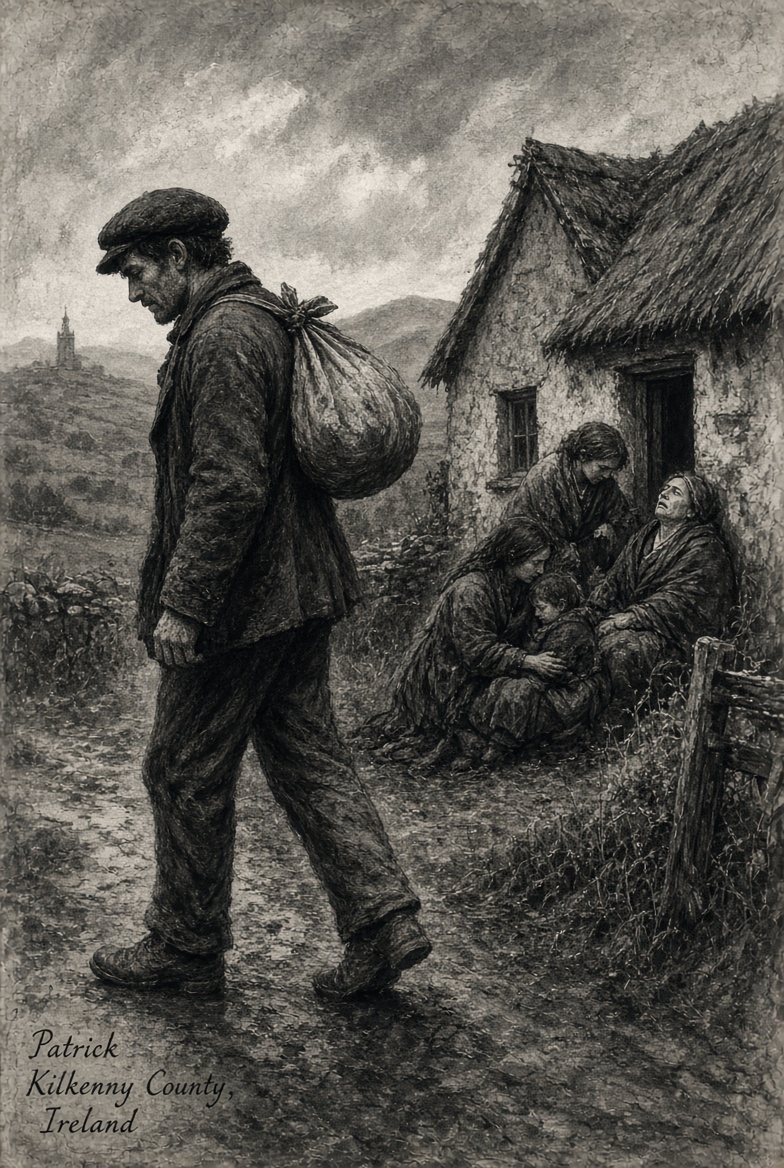
If Patrick had any money, and most of Irish emigrants didn’t, he probably had just enough to board a ship out of Ireland. He didn’t have enough money for food purchases along the way, so he likely carried some bread and cornmeal for a day or two of some nourishment along the way. He also may have traveled with a change of clothes, but that’s about it.

If he walked the average 3.2 miles an hour, it probably took him nine and a half hours to walk from the parish of Callan in Kilkenny County to Waterford, the nearest major port. Considering all the information of this route, in 1845, we can estimate that it was likely a multi-day journey for Patrick. 

What Patrick witnessed on this perilous journey comes from letters written by Irish emigrants to America, Kilkenny Poor Law Union reports, and Waterford eyewitness accounts. He would’ve walked alongside “Walking skeletons” assuming he wasn’t one himself, children with swollen legs from edema, adults whose clothes hung off them “like rags on a stick” and people too weak to stand, lying in doorways. 

Patrick witnessed so much death and sadness that it broke his heart to turn away from families with small children, desperately crying out for a small portion of whatever money, bread, or cornmeal he carried on his shoulders. Patrick also witnessed the worst of humanity, as starving parents resorted to violence to feed their children. “These people were not villains,” a Kilkenny relief officer later wrote to characterize what he saw. “They were starving.” 

When Patrick survived the walk and managed to avoid the violent thieves and those so desperate that violence and murder were a means of survival, he probably walked up to the port of Waterford with just enough money to board the ship. The sight of the ship must have appeared momentarily glorious, as it stood as a symbol of his ability to survive the walk with the necessary money. That relief was short lived when he saw the dilapidated conditions of the ship before him, one that he knew would take anywhere from six to twelve weeks to complete the transatlantic voyage. Patrick knew that the mortality rates on the worst of these ships was between 20% to 30%, because priests read letters to their parishioners from survivors of those voyages. If he didn’t hear those letters on Sundays, he read them in the Irish newspapers. By the time Patrick spotted his vessel to freedom, he probably heard the “coffin ships” characterization of these ships hundreds of times.

Most of these “coffin ships” were almost criminally overcrowded, almost criminally ill-equipped for long transatlantic crossings, ridden with the famine-related diseases, and worked by inexperienced crews who hated the Irish. As daunting as all that was, Patrick also knew that –depending on the quality of the ship he was lucky to board— the ship might take twelve weeks to complete the transatlantic voyage. 

Once Patrick survived the overwhelming odds of making the travel from Kilkenny County, Ireland to a port in America, likely New York, specifically Castle Garden –the main immigrant receiving station before Ellis Island—Patrick was not greeted with open arms. He was exhausted, malnourished, and confused, but finally seeing Castle Garden filled him with tears of joy and hope. The realization struck him that he not only survived one of the worst famines in human history, but a journey that killed tens of thousands, based on eyewitness accounts, and emigration records, and historians’ estimates on the path from Kilkenny County to New York.
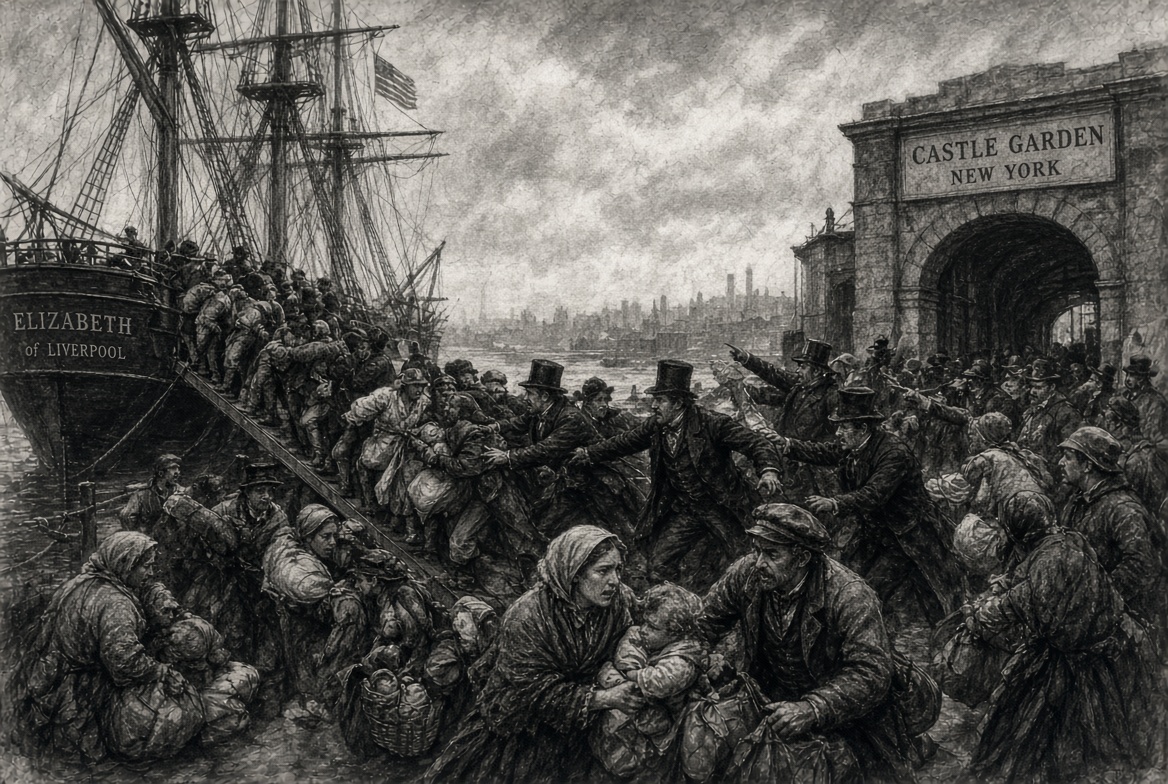
 

When Patrick disembarked, he kissed the ground and almost immediately stepped into a port that in the 1840s–1850s was one of the most dangerous places an Irish immigrant could arrive. Patrick saw luggage stolen right off the dock and other forms of petty theft. He would’ve been shoved and threatened by the throng on the shore and fellow travelers, and he would’ve seen children separated from the parents in the chaos. “They tore my bundle from my hands, and I never saw it again,” one woman wrote home to Ireland.  

Then, once he survived all that, he saw “No Irish Need Apply” signs in windows of factories and other workplaces. He later experienced Anti-Catholic violence, including church burnings, stereotyping that depicted Irish as lazy, drunk, criminal, or inferior in general, and Patrick faced political exclusion, with efforts to block Irish voting rights. And this didn’t just last as long as it took for the one million immigrants from Ireland to settle into their country, as some historical accounts suggest this many Irish immigrants experienced varying degrees of hatred that Irish lasted from Patrick’s arrival in America, in or around 1847, to the early 1900s, depending on the region they eventually called home. So, if Patrick was a twenty-two-year-old when he arrived in New York, he may have experienced intense discrimination in America for the rest of his life. But he did it.

He Did It

Patrick beat the odds by surviving the long perilous journey from Kilkenny County Ireland to America, and whatever joy he felt was surely dispelled by those he left behind, but he had no choice. I’m the reason Patrick, and his immediate family, made those painful sacrifices and tough choices, and they are the reason I’m here today, living in the greatest country in the history of man. How do you repay that? We’re fortunate to be here and alive, no doubt, but how do you appreciate it?

If there is an afterlife, and that afterlife has a screening room where we can view the painful sacrifices, tough choices, death-defying incidents, improbable survival of illnesses, and anything and everything the Patricks of our ancestry had to survive for as long as it took to have a child, I think we would all realize that it’s not just luck, though luck played a huge role, but it’s so far beyond luck that it’s almost an accident. Every person alive today has their ancestors to thank for the unbroken chain of good decisions, narrow escapes, and sheer chance for their life, but most of all they have good luck to thank.

My guess is Patrick’s tale was far more harrowing than I could possibly report. The horror he experienced lay in the details of the death-defying moments he experienced, and everything else he witnessed. We can also guess that when he finally settled down, Patrick probably found it difficult to smile or laugh in the aftermath. All things considered, he probably found the rest of his life unrewarding. Unless, Patrick saw it as his mission to live, survive, and thrive for those who made it possible for him to leave Ireland and pave the way for those of us who existed because of him. It was probably difficult for him to enjoy small talk, going to the beach, or any of the other useless things we do to relax when we’re not working, but if he learned how to use the opportunity they gave him, Patrick could show everyone, including himself, that they made the right choice.

How do we properly appreciate the gift of life? It’s such an overwhelming idea that we’ll never be able to find a fully adequate answer, so why try? Decades after missing that question on that World History test, I’ve found is to use the gift others bestowed upon me by doing what I do best; learning the story, researching it ad nauseum, and writing an article about it. It’s what I do, but in the course of doing it, I found another form of appreciation that might be more affirming to everything Patrick did to make sure I saw life, and that is reversing my decades old characterization of Patrick’s plight and The Great Potato Famine’s blight as boring.
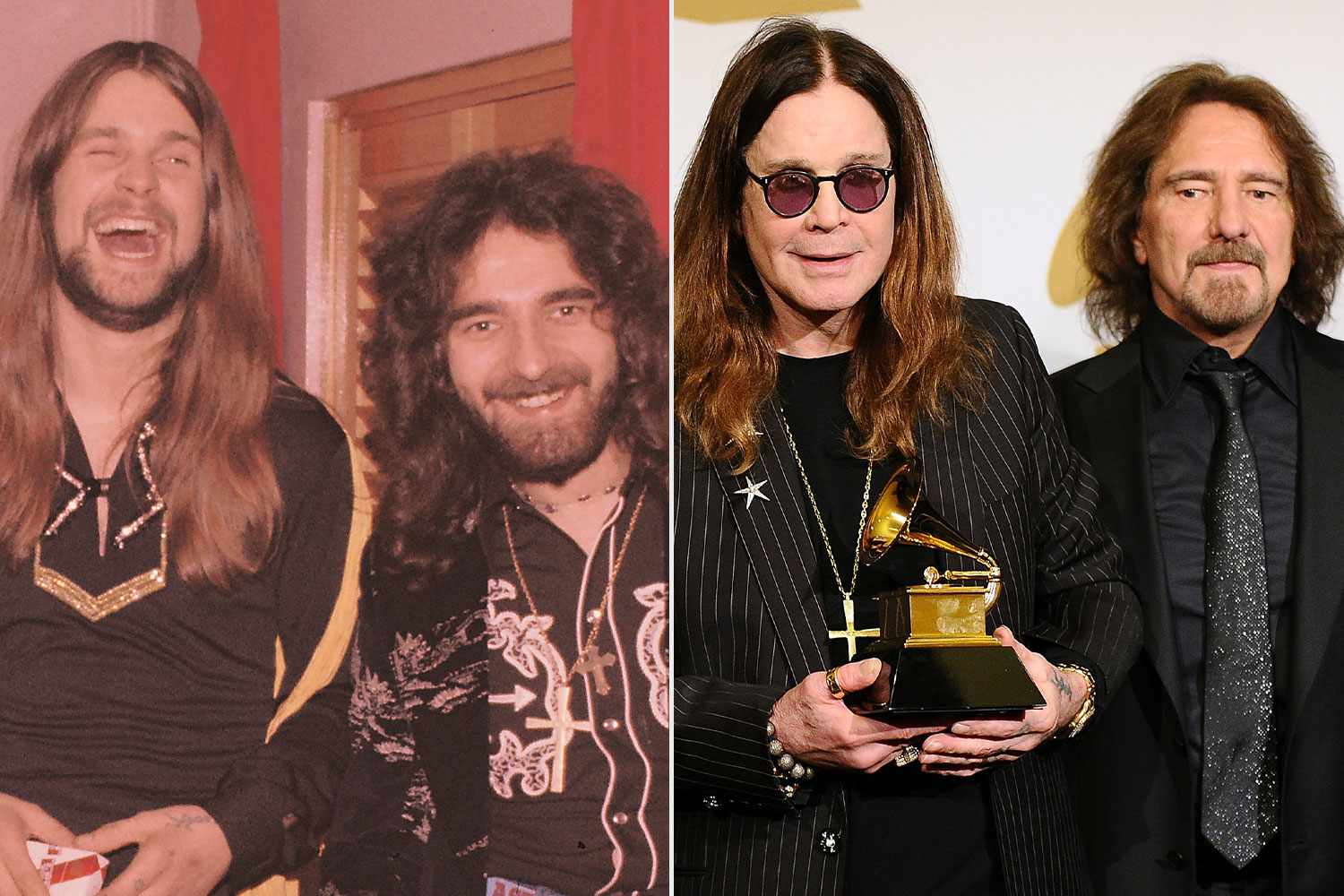

Ozzy Osbourne is “That Thing at the Door”


“There’s this thing at the door asking for you?” the brother of Terence Michael Joseph “Geezer” Butler informed him.  

“What do you mean this thing?” Geezer asked. 

“You’ll see.”  

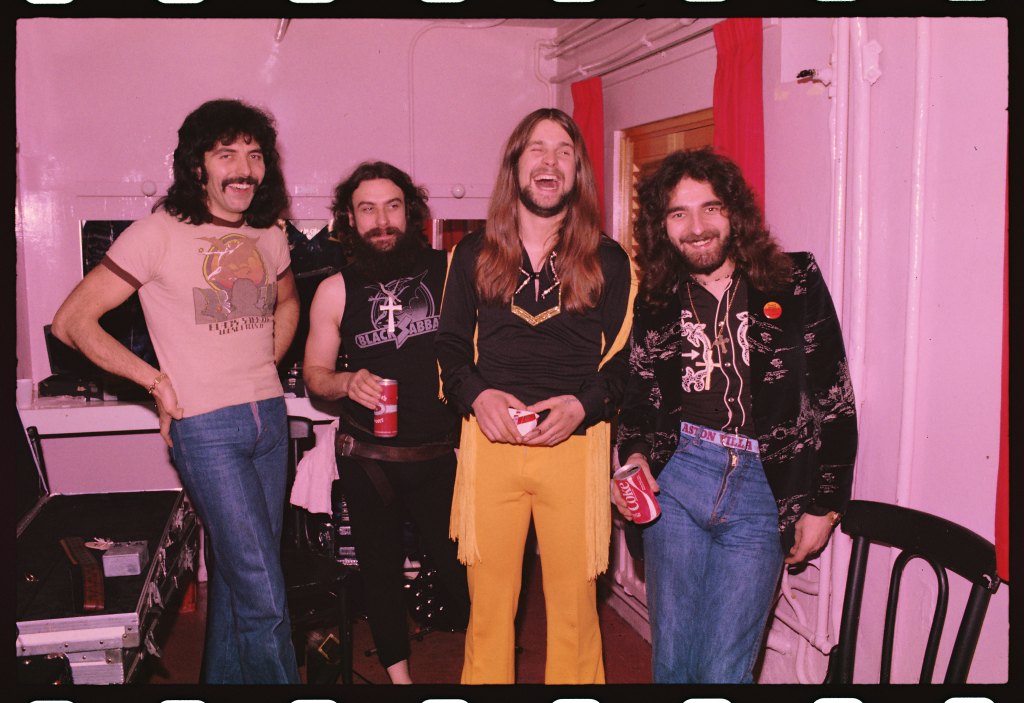
Geezer didn’t get the joke, until he answered the door, and he saw a rain-drenched man with no hair on his head standing on his family’s doorstop. The man at the door had no shoes or socks on his feet, and he was wearing a gown that Geezer assumed was a pair of overalls that the man’s dad probably wore at a factory job. The man also had a chimney brush over his shoulder and a single sneaker on a dog leash. “I’m Ozzy,” the man at the door said. Geezer would later say he thought the man “was not the full shilling. (AKA off his rocker/crazy)” Yet he invited him in anyway — and changed rock history forever.

We can only guess how this interaction proceeded from there, as the two men tried to feel each other out, but Geezer was intrigued enough to invite this disheveled man into his rock band Rare Breed. The thing standing at Geezer’s door posted an ad in the Birmingham musical instruments store that read “Ozzy Zig Needs a Gig.” Geezer saw the ad, went to Ozzy’s house, Ozzy wasn’t home, so Geezer left his home address — and John “Ozzy Zig” Osbourne, or as we now know him Ozzy Osbourne, showed up later as that thing at Geezer’s door. 

Geezer, like Ozzy, grew up in a low income, working class neighborhood, and they both had six siblings, but the Butlers did not experience the level of poverty the Osbourne’s had. Those of us who grew up in similar neighborhoods know that we don’t meet many who are lower on the socioeconomic totem pole, and when we did, we looked down on them. Geezer and the Butlers were poor, but Ozzy grew up without basic comforts like indoor plumbing, and he and his siblings often used coats for bedding. As Geezer’s brother alluded, the Butlers probably viewed Ozzy as a lower life form. His appearance suggested he couldn’t even afford a decent pair of shoes.

When Geezer met Ozzy, he had a predicament. He had always been an avid reader with a strong background in English literature, especially Shakespeare, so writing song lyrics came easily for him, but he was not a strong, confident singer. He needed someone to deliver his lyrics to an audience. He had a message, in other words, but he needed a messenger to sell it properly. When Geezer imagined his messenger, he probably dreamt up a Robert Plant, Rod Stewart rock-god type who could seduce listeners into falling in love with Geezer’s lyrics. Every songwriter who can’t sing, dreams up bullet points for the singer of their songs, and we have to imagine that an overwhelming majority of them would’ve rejected “that thing at the door” on appearance alone. Is that what intrigued Geezer? As we now know, Geezer was not what we call a conventional songwriter, so Geezer may have thought that this thing at the door might have been able to attract an audience in the manner the lobster boy and the bearded lady attract an audience to the county fair? 

We could say that Geezer was desperate, but by historical accounts, Geezer only had one other lead singer prior to Ozzy, and that man quit Rare Breed once he heard how bad the band was. So, Geezer didn’t exactly exhaust all possibilities before meeting Ozzy. Geezer dresses this decision up by saying he was blown away by Ozzy’s audition, and that might be a fact, but it’s more likely that Geezer didn’t think he’d find a better lead singer in Birmingham, and his aspirations likely didn’t extend beyond the city at the time. He probably enjoyed seeing Ozzy’s unfiltered confidence and he suspected that Ozzy’s economic limitations and resultant gratitude meant that Ozzy would show up and help Geezer build and grow, regardless how bad the rest of the band was. Geezer’s suggestion that he could see Ozzy’s talent from the very beginning not only compliments his lifelong friend, but it suggests Geezer was gifted at spotting talent. My guess is Geezer wasn’t lying, but he’s rewritten this memory in his mind so thoroughly that this is how he genuinely remembers it. We can speculate further, but at the end of that debate we’d be forced to acknowledge that Geezer obviously made the right choice, as the two of them joined forces to create something no one else tried before, and it worked so well that we still talk about them almost sixty years later. 

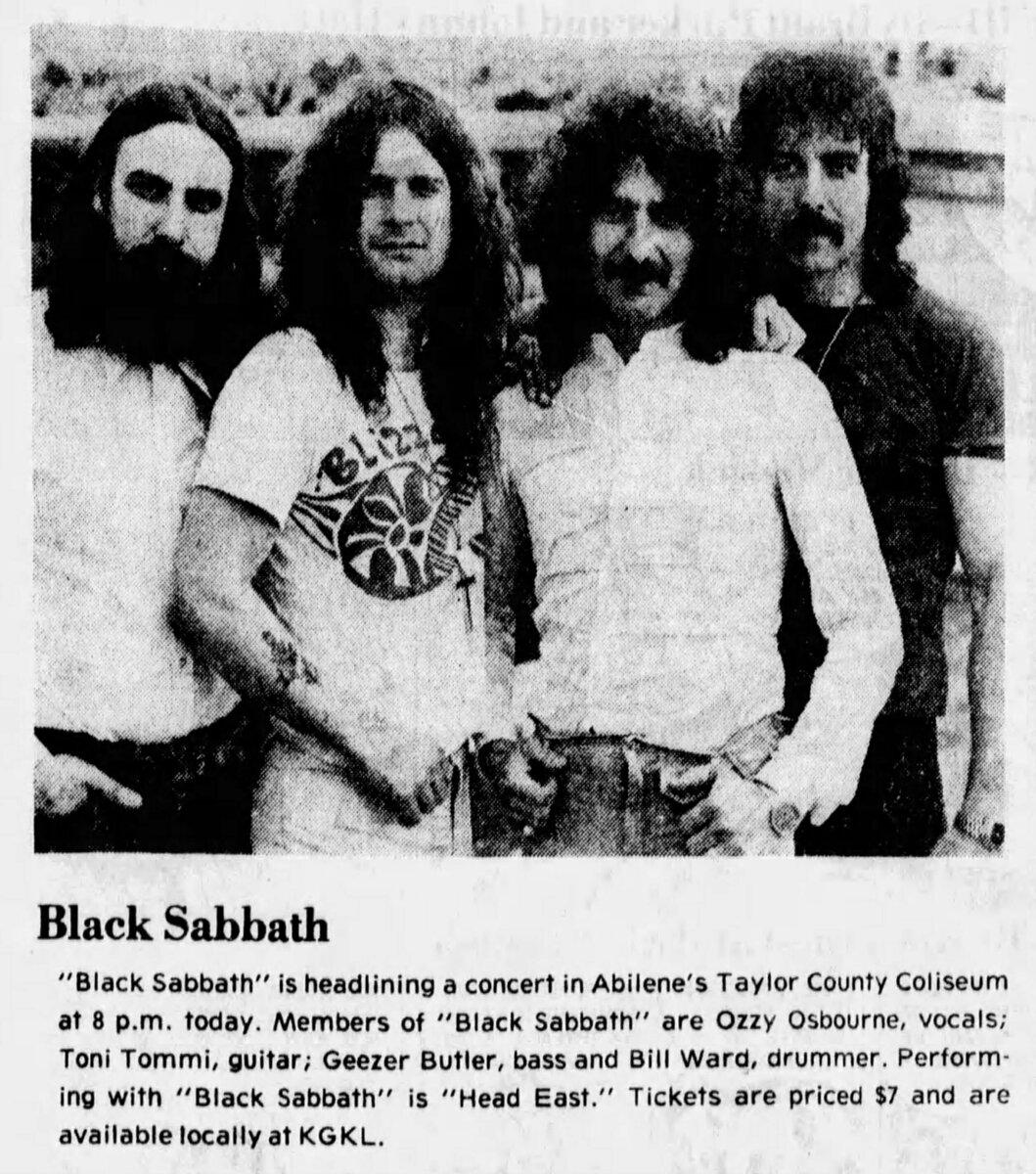
Within two years of meeting the “thing at the door”, Geezer and Ozzy would be joined by two members of a band called Mythology, a guitarist missing the tips of his middle and ring fingers, named Tony Iommi, and an anatomically complete and relatively well groomed drummer named Bill Ward. They would change the band name from Rare Breed to Polka Tulk Blues Band, Polka Tulk, then Earth, and then Black Sabbath.  

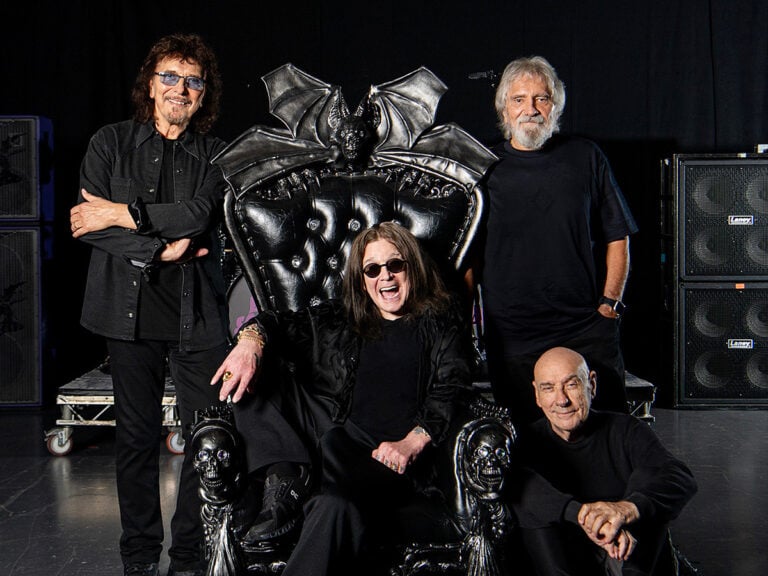
In case you don’t know the four of them would go on to sell roughly 60–68 million albums (including pure sales, streams, etc.) when they were all in Black Sabbath together. The music of Black Sabbath would also influence the creation of heavy metal and later the heavy, sludge side of the Seattle sound sometimes called grunge. They’ve also been called one of the influential rock bands of all time, and it all started with Geezer meeting “this thing” at the door. 

“So, this Geezer Butler fella got lucky,” you might say. “He had one of the most influential front men in rock music history just show up at his door one day. That’s luck.” It’s true, undeniably true, that luck and/or chance played a role, but how often do these chance meetings happen in music? We could also say that it wasn’t exactly a chance meeting, as Ozzy posted an ad, and they both met before as fanatical fans of The Beatles. Still, it can be frustrating to learn that luck, and right place/right time elements play a role in defining history, but it happens. The counterpoint to this argument is that we have to be good to get lucky.

They, Ozzy and Geezer, also got lucky that their band, Rare Breed, broke up when it did, because another band named Mythology broke up at around the same time. The guitarist and the drummer, of that band, Tony Iommi and Bill Ward, were looking for another band to join at the same time that Ozzy and Geezer were looking for a guitarist and a drummer. (Geezer switched to bass when he saw how talented Iommi was.) Ozzy and Geezer just happened to find a guitarist who is now considered a master of riff‑craft, creating heavy, memorable guitar lines that became the blueprint for metal, and they happened to land a drummer who was a jazz‑trained, gig‑tested drummer whose unique style became a core part of the band’s identity. 

For all of the talent that existed in Black Sabbath, Geezer Butler was the conceptual architect and the primary lyricist behind the dark themes that defined early heavy metal. His style was heavy and melodic at the same time, and he was considered unusually expressive for the era. His bass lines often acted as a second lead instrument, weaving around Tony Iommi’s riffs rather than simply following them. Geezer also developed a rhythmic partnership with drummer Bill Ward to create the distinctive “swing” that underpinned many of the early Sabbath classics.

As Geezer described the relationship that would develop between he and Ozzy, Ozzy created vocal melodies during the band’s jam‑based writing sessions, and Geezer would write the lyrics to those vocal melodies. So, they used their talents, gifts, and creative energy to land in the right place and right time of music history.

If we examine Black Sabbath on an historical timeline, we could also say they got lucky to land in a right time/right place hole in time where no one had ever tried to make gloomy and depressing, as opposed to sad, music before. Yet, when we read the quotes from the members, they didn’t seek out a different form of music to carve out their own niche in the industry, and they didn’t plan on being pioneers, it was just who they were, where they came from, and what they knew. (All of the members of Black Sabbath grew up in the aftermath of WWII, and the war-torn, devastation influenced the gloomy themes of their sound and music that just happened to appeal to a large contingent in war-torn Brits of that era.)

In the era of upbeat harmonies, sunny melodies, and that breezy optimism sunshine pop, sunny melodies, and harmony‑rich 60s pop of The Beach Boys, The Monkees, and The Mamas & The Papas, Black Sabbath was viewed as a dumb idea by the fourteen labels who rejected them. The market is so stratified that we usually accept the idea that there’s no such thing as a dumb idea, but those labels all agreed that the gloomy, bleak, slow, and depressing music of Black Sabbath was a stretch too far. The basic sales pitch behind Geezer Butler’s presentation was that in a world that wants to listen to music that makes them smile, we have created a form of music that is so depressing we might lose a percentage of our fanbase to manic depression. In a world of feel-good music, we’ve created feel-bad. So, whaddya think?

For all of the luck, the right time/right place elements, and everything else that defined them, Black Sabbath shouldn’t have worked, not to the degree that some relatively anonymous writer would be writing about them nearly sixty years later. Even a qualified, quality writer would have trouble properly capturing how unlikely their success was. These were four kids who grew up in various levels of poverty who believed that the pinnacle of success would involve them playing in local pubs that would hopefully pay them enough for them to be able to afford a decent meal and a couple of beers to follow. These guys had no formal musical training, absolutely no industry connections, and they decided to play a style of music that didn’t exist yet — slow, heavy, ominous, and socially bleak and depressing.

We can imagine that their immediate success shocked the 14 major labels who rejected Black Sabbath before their first album was recorded and everyone else who worked with Sabbath before their first album was completed, but no one more surprised than the four members of the group. They knew they worked well together, and they gelled to create the type of sound they were seeking, but the idea that it clicked and/or appealed to listeners to the point that it reached #8 on 13 on the UK Albums Chart and #23 on the US Billboard Top LPs shortly after its US release stunned the four fellas. They didn’t really have to “pay their dues” in a relative sense. They compiled a selection of five songs for their first album Black Sabbath, recorded them in one 12-hour session, and they released it. They were just happy that a label signed them, and they were actually able to record an album. That, to that point, was beyond their expectations. The idea that it would chart with no radio play, combined with the critics dismissing it as a crude, simplistic, or derivative effort was beyond their comprehension. Another source notes that Black Sabbath remained on the charts for over a year and sold one million copies in its first run (US + UK combined).

All four members have said, in various ways, that they couldn’t believe it when some people initially started treating them like a real band, then when their album charted it scared them a little, because they didn’t know what to do with that. When they were asked to tour the United States of America, it wasn’t mild surprise, as none of them knew enough to know logical progressions of this sort. They were genuinely stunned. Ozzy described his genuine reaction to this insanity by saying he was constantly waiting for someone to tap him on the shoulder and say “There’s been a mistake, a huge mistake.” Tony Iommi said, “We never thought it would go anywhere. Our goal was to avoid factory work, and we thought we could do so with a few gigs here and there.” Ozzy said that their goal was to eventually get in pubs, so that the pubs would pay them enough to drink their beer. “We never thought we’d get out of Birmingham,” Ozzy added. Bill Ward said, “We didn’t know what we were doing — and suddenly it worked.” Geezer said, “We were just four poor kids. We didn’t think it would last.” All four members were from lower class to absolute poverty, as Geezer said, and that probably led to the level of desperation necessary to make whatever they did work.

Anyone who has ever read anything about the recording industry of this era, knows how this chapter of the Black Sabbath saga ends. As poor and uneducated as the four fellas who comprised this band were, in general, they probably knew less about the recording industry, recording industry contracts, and the manner in which their management team should be handling their financial matters. They wanted to focus on creating the music and let management take care of the financial matters, and their creations 4.9 million copies of the first album, and the second album, Paranoid, sold between 10-12 million copies, by global sales estimates, they were almost as broke as they were before they recorded their first album. They signed a horrible contract, because they were so elated that someone wanted them to sign them that they probably thought if they haggled over the details of the contract, the management team might not sign them.

“We were one of the biggest bands in the world,” Geezer said, “and we were penniless.” One example cited stated that Black Sabbath were paid $250,000 to play at a 1974 California Jam festival, and each member ended up receiving $1,000. As stated, management teams and recording labels ripped off most of the artists of the era, including the Rolling Stones and The Beatles, but music historians suggest that Black Sabbath’s management disputes were some of the ugliest and most damaging in rock history. When the fog cleared, the members discovered that not only were they almost as broke as they were when they started, but their cars, homes, and other personal possessions weren’t theirs. In the most crushing blow, they then discovered that their music, that which they worked their tails off to create, hone, and perfect wasn’t even theirs. After years of litigation and lawsuits, it is suspected that the four members may have recovered 10-20% of the money their manager stole.

Black Sabbath worked for a whole host of reasons, of course, but they were dumb enough and desperate enough to make it work on a certain level. They had a Beatles-obsessed lead singer, who learned the art of melody from his beloved mop tops, a Shakespeare-obsessed lyricist, a guitarist who was missing the most important finger tips required to play guitar, and a jazz drummer who helped develop a new form of musical expression. Their eventual success suggest that some ideas are such a load of crap that if it’s gathered together, it could be used as fertilizer. The four members didn’t know enough about the system to know how to succeed in it, and they got lucky. The fact that they got so lucky that they’re unicorns, should not be discounted here. Most of us should spend most of our young life trying to figure out the system works to see how we can succeed in it, but some of us weren’t built like that, and some of the ideas we have might appear like “that thing at the door” to others, but the question that we should ask ourselves, is a question I’m sure Geezer Butler asked himself on the day he met Ozzy Osbourne, ‘what would happen if I invited this man in?’ What would happen if we invited that weird, strange, and just plain different idea in and explored the possibilities? If we drop an adamant no to all of that, we’ll never know. The story of Black Sabbath teaches us that some of the times it’s better to say no, unless...

‘Good Boy!’


“Try saying something other than ‘Good boy’ to your dog the next time you reward them for good behavior,” said a human who claimed to know more about dogs than other humans. “Your dog gets tired of hearing the same phrases over and over again. Mix it up and keep it fresh to allow for greater stimulation of your dog’s mind.”

I am not an expert on dogs, but if this is expert advice, then I wonder how we qualify the term expert. “They spend a lot of time around dogs,” you say. Okay, but I spend a lot of time around my dogs, and I notice that they prefer that we keep it simple and consistent. This expert is basically suggesting that the best way to enhance our relationship with our dog is to complicate our relationship with them.

This expert is not talking to dogs here. He’s talking to us, trying to justify his title as an expert. If this expert said, “The next time you want to reward your dog for good behavior, say ‘Good boy!’” We would all question his title for saying what we already know. They know this, so they tweak our common knowledge in a harmless way that most of us won’t follow. If we follow that advice, we might try it once or twice and realize it doesn’t make a difference, and we’ll all go back to saying “Good boy!” again to enjoy the simple, fun, and loving relationship we have with our dog.

My guess, if we could talk to our dogs, they’d say something along the lines of, “I’m going to be honest with you, I don’t know what you’re talking about 95% of the time, I don’t speak English, but I know tones. I’m perfectly happy with the arrangement we have right now, but if you feel the need to start messing with the five percent I understand, do what you need to do, but keep that tone the same.”  

If I could gather a group of experts to comment on this situation, I’m sure they would all condemn this expert advice, and I’m sure that their condemnation would leave me feeling temporarily validated. Yet, the other thing we know about experts is that they get their validation by condemning another expert’s advice.

The Suspect 

If I walk into a public restroom, and it’s obvious that something awful happened there, you’re the primary suspect if you’re the one walking out. You’re guilty until proven innocent, and there’s really no effective defense. I thought this was pretty damned hilarious, until I realized, while conducting my affairs, that I would have to time my exit perfectly to avoid becoming someone else’s primary suspect.

The Relative Definition of Beauty 

“If you’ve ever been to a male stripper’s joint,” Jane said. “You’ll see that nearly 100% of the female patrons of the joint are ugly, old, and out of shape women. There’s no way the males enjoy that?”

“Have you ever been fawned over?” I asked her. “Most women have. Most men haven’t. I’m sure gorgeous men get fawned over all the time, but most men don’t know they’re attractive, until it’s too late in life. They look back at pictures of themselves and realize that they were a lot better looking than they thought.” Women aren’t as generous with their praise. They seek to humble men. So, when a man gets fawned over by women, it doesn’t really matter to the man what the women looks like.  

Everything in its Right Place 

I could never be a slob again. I’m not talking about the difference between clean and unclean as much as the difference between being organized and unorganized. Losing things bothers me more than being unclean. If I place a toothbrush on a bathroom sink, for instance, I’ll think about that toothbrush all day, until I have a chance to put it in its proper place. If I don’t, I fear that it will somehow become lost when I need to use it again.   

The History of Propaganda 

Most people have heard the phrase, “If we repeat the same thing often enough, people will believe it.” Evil historical figures have proven this is an effective tool to fool some of the people some of the times, but as Malcolm Gladwell wrote there is a tipping point to everything.

We’re all subjected to various forms of propaganda, everything from the more obvious political slogans to advertisements, but there is a moment somewhere between “I got it already” and “They’ve been pounding this drum SO often that I’m starting to think they’re up to something.” Some call this Message Fatigue and others call it the Backfire Point.

I don’t think this deduction requires a level of ingenuity or cleverness. It’s such a basic understanding of human nature that it’s kind of boring to read and write about. There’s one nugget that contributes to the survival of this myth, the stupidity of the man of yesteryear. Since most men of yesteryear lived without modern technology and conveniences, we all think they were a little dumber than we are. C’mon, admit it. We see old black and white daguerreotype photos of people, and we think hayseed, yokel types who barely knew how to read. “They fell for it,” we think, looking at them, and those of us who have iPhones, Google, and AI feel so much more advanced, even though we had nothing to do with those technological advancements, and we think we would never fall for propaganda. Or, if we did, we would have a tipping point, and they probably didn’t, because “Look at them. Look at what they wore.”

The ‘S’ 

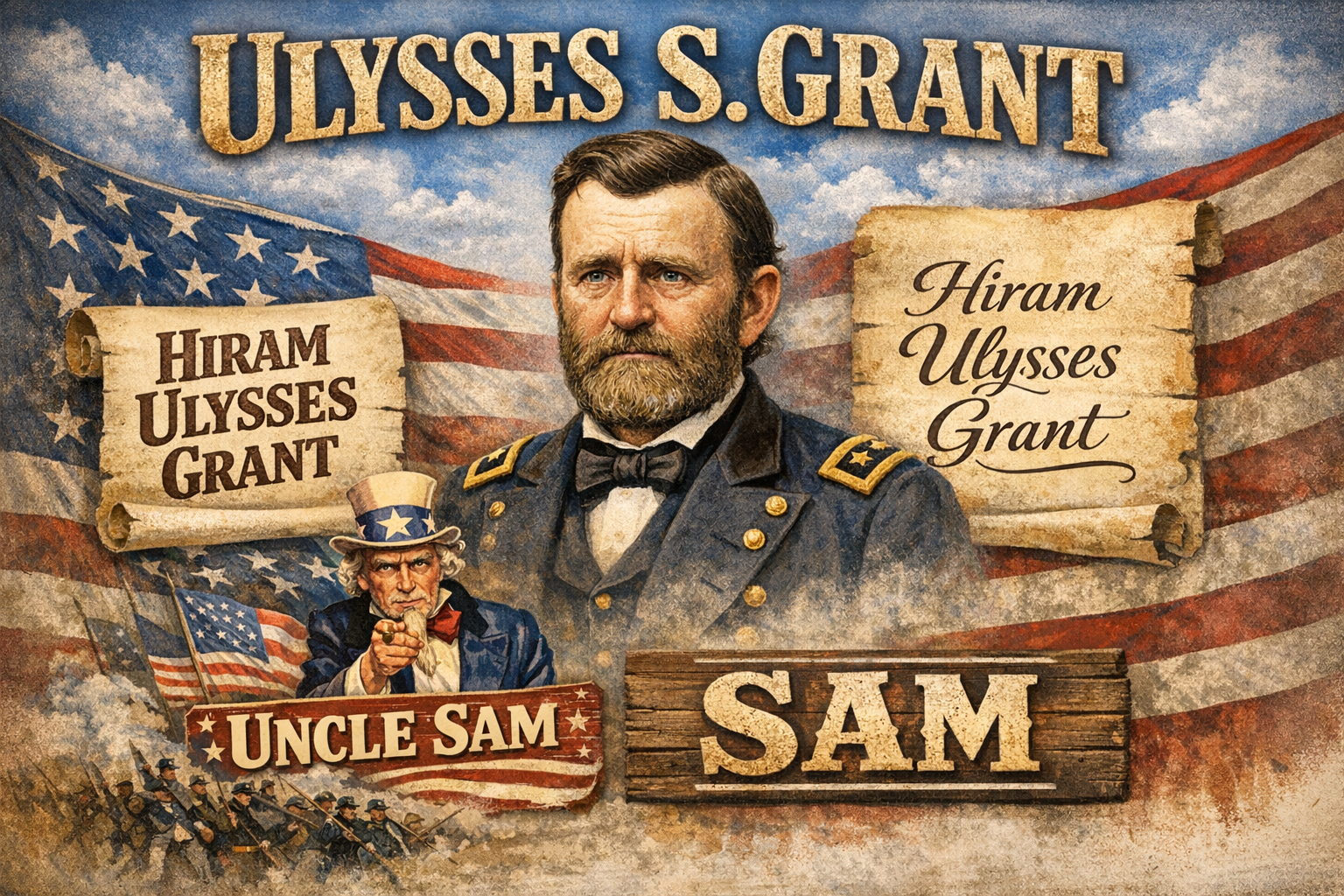
I found a trivia question to stump the band: “What was the 18th president Ulysses S. Grant’s middle name at birth?” Answer, Ulysses. Wait a second, how did they get from Ulysses from ‘S’. Ulysses is his first name. His actual birth name was Hiram Ulysses Grant, but everybody called him Ulysses. If you had the opportunity to choose between the name Hiram and the central figure of The Odyssey, wouldn’t you choose the latter? Some sources state that the young Hiram Ulysses Grant hated his name, because his initials were HUG, but that doesn’t answer the question of how his official name went from Hiram Ulysses Grant to Ulysses S. Grant.

The confusion began after “Grant was nominated to West Point in 1839 by Ohio Congressman Thomas Hamer, who wrote Grant’s name in the application as “Ulysses S. Grant.”” Everyone called him Ulysses, so Congressman Hamer just assumed that was Hiram’s first name. Middle names weren’t as common in this era as they are today, as evidenced by the fact that Abraham Lincoln did not have one, so we can only assume that Hamer assumed Ulysses Grant didn’t have a middle name. The problem for Congressman Hamer was that the West Point application required a middle initial, and due to the fact that Hamer couldn’t just text Hiram to sort matters out, or call him, he decided to just fill the blank in that application to get it done. Congressman Hamer found out that Hiram Grant’s mother’s maiden name was Simpson, so he just added the famous ‘S’ on the application.

Aside #1 Harry S Truman middle name is ‘S’. It’s not ‘S’ period, because it’s not an abbreviation. His parents couldn’t decide whether to name him after Solomon Young, Harry’s maternal grandfather, or Anderson Shipp Truman, his paternal grandfather, so they compromised and just gave him the middle name ‘S’.

Aside #2  Grant’s fellow cadets at Westpoint noted the patriotic arrangement of Ulysses S.’ initials, and they began calling him U.S. Grant, Uncle Sam, or just Sam.

Aside #3 “In an 1844 letter to his future wife Julia Dent, Grant wrote, “You know I have an ‘S’ in my name and don’t know what it stand (sic) for.”

“Grant made several efforts to correct the mistake [Ohio Congressman Thomas Hamer made], but the name Ulysses S. Grant stuck.” So, the correct answer to the trivia question what was Grant’s middle name was Ulysses at birth, but an error by a congressman permanently changed his middle name to ‘S.,’ which was an abbreviation for his mother’s maiden name: Simpson. So, the error by a bureaucrat was compounded by a bunch of lazy, incompetent bureaucrats who didn’t want to do more paperwork? I can only imagine that when Grant attempted to correct the record, the bureaucrats at West Point said, “Do you know how much paperwork changing a name involves? It’s incredibly tedious, and are you really going to fight for a name like Hiram?” My guess is Hiram Ulysses Grant didn’t give up easily, because he was a fighter, and the bureaucrats were talking about permanently changing his name on the record. My guess is the lazy bureaucrat pounded it home with a compelling argument along the lines of: “I think the congressman actually did you a favor by fixing the error your parents made by giving you the incredibly nerdy name of an accountant. Ulysses was the name of Homer’s warrior, and it could help you rise through the ranks of the military if you have the name of a warrior.”

Hiram Ulysses Grant did, in fact, rise through the ranks of the military, becoming General of the Army of the United States, a four‑star rank created for him in 1866. This rank made him the senior officer of the U.S. Army and the first person since George Washington to hold a comparable level of authority. Then, of course, he became the 18th president of the United States. If we could ask Abraham Lincoln how the Civil War would’ve progressed without General Grant, he probably would’ve said, “I don’t even want to think about that.” If Grant managed to correct the record and made Westpoint change his name back to Hiram Ulysses Grant, would Lincoln have trusted the fate of the nation to a man with the name of an accountant? I’m sure soldiers and generals offered testimonials to bolster Grant’s credentials, but Lincoln would’ve ended each reading with, “But his name is Hiram.” Some historians would suggest that the Civil War wouldn’t have ended as quickly as it did without the leadership, and some might add the utter brutality, of Ulysses Grant’s leadership, tactics, and strategies. Some suggest if it weren’t for him, the nation might not be united in the manner we know it today, and his stature might not have happened without the mistake of one bureaucrat and the probable laziness of a bunch of other ones. Now, you might say that I’m connecting and disconnecting a lot of dots to complete a story with ifs, buts, and what-ifs, but isn’t that how a number of stories of history were made and unmade?