“Do you have any cookies other than chocolate chip?” I asked the cashier of a popular sandwich chain.
“We don’t,” he said with a smile. The smile appeared to accept the complaint for what it was, but it also asked me why I was just being difficult. ‘Why would you want anything other than chocolate?’ that smile asked me. ‘It’s delicious for criminy’s sake!’
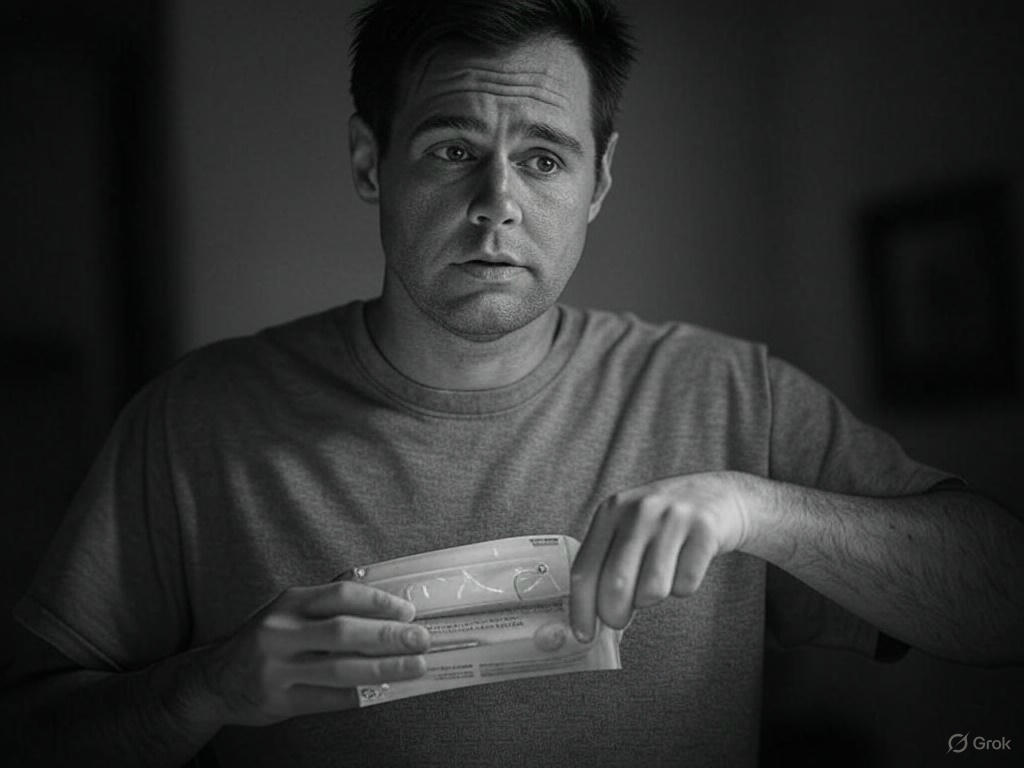
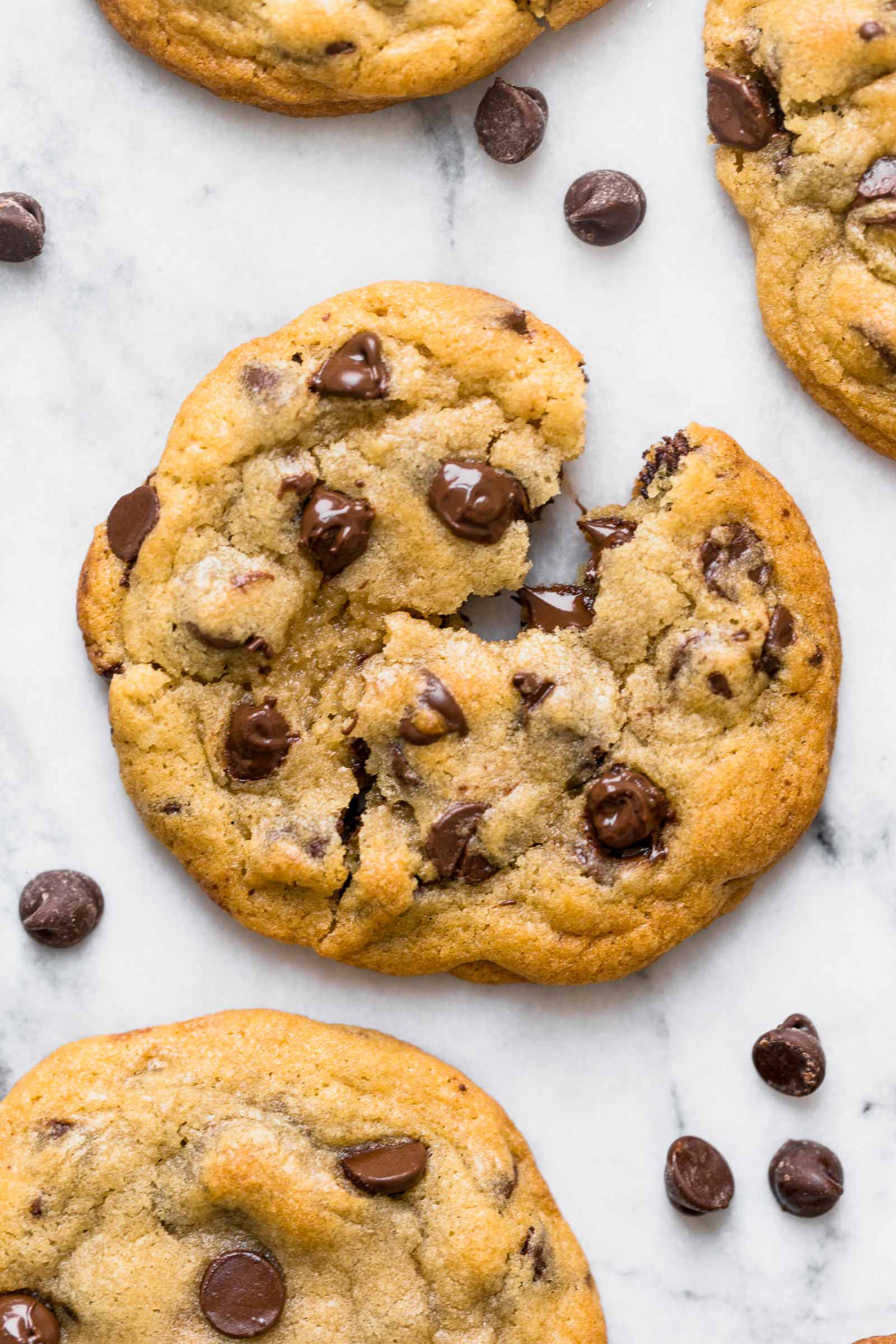 Age has taken away a few of my favorite things (more on that never) and chocolate is one of them. I get minor headaches whenever I eat it, but those minor headaches carry the implicit warning that the more I eat the worse the headache. I farted around found out that my body was serious, serious as a head attack.
I usually simply say no thanks when people offer me some, but some people won’t take no for an answer. ‘Why don’t you want any chocolate?” they ask. ‘It’s delicious for criminy’s sake!’”
When I tell people why, they feel bad for me. Their sympathy is not directed toward the headaches, but the idea that I will no longer be able enjoy chocolate as much as they do. “I don’t think I could do it,” some say with a self-deprecating smile.
“Of all the things age has taken away from me,” I tell them, “I probably miss chocolate the least.”
“How could you not miss it the most?” they say with the same look that that cashier gave me.
“I used to go to the candy aisles at gas stations to pick from their chocolate selections,” I tell them. “Now, I move down the aisle to their non-chocolate ones. It’s easier than you think.”
Prior to that forced transition, I had no idea candy aisles at gas stations were 90% chocolate, not counting gum. The selections at various get-togethers are about 95% chocolate, and the desert items on a restaurant menu are nearly 100% chocolate. Now that I was on the outside looking in, I wondered if we all loved chocolate this much, or if it reminded us of our grandmother, and all of the confections she used to bake, and all of those glorious smells. Did it become such a staple in our diet, because it reminds us those days at the pool with all of our friends, or do we just love it that much? Some questions are complicated that require scientific research, and some are simple. The simple truth about chocolate is we like eating it, because it’s delicious for criminy’s sake!
“It’s all about the chocolate,” a friend of mine, who used to be an event planner, said. She learned the hard way when she offered her client “cookies” for their event. She neglected to inform her client that her cookie offerings would not include chocolate chip cookies or any chocolate. She just listed cookies on the menu items, and her client signed off on it
“Nobody wants sugar cookies, peanut butter, or oatmeal raisin!” her client screamed. “My attendees were like, where’s the chocolate chip cookies? They blamed me for this, not you. We were expecting chocolate chip cookies, chocolate strawberries, chocolate pastries, and even a chocolate fountain. You didn’t give us any chocolate? What kind of outfit are you running here?”
A poll suggested 35% of respondents said chocolate chips cookies were their favorite cookie, and almost half (46%) said they ate chocolate chip cookies frequently in their childhood. My guess is the latter number was skewed by the vagueness of the question. If the pollsters asked the specific question, “For those of you who had the capability, or permission to eat cookies on a regular basis, how many of you ate chocolate chip?” By better defining that question, me thinks that 46% number might double.
After a couple incidents, my mom learned to preempt our disappointment when she brought cookies home. Before opening the package, she’d tell us that the cookies weren’t chocolate. She had nothing against chocolate. She just thought we might want some different every once in a while. We didn’t, we wanted chocolate. We were disappointed, but she knew if she told us beforehand that we wouldn’t be so angry to find out there wasn’t any chocolate on the way.
That forced transition away from chocolate informed me that we don’t want chocolate. WE WANT CHOCOLATE! If someone doesn’t learn how to soften the blow that there won’t be any chocolate, we’re disappointed, confused, and outraged. “Who do you think you are? What kind of outfit are you running here?” I don’t know if this has always been the case, or if I only see it now because of my new perspective, but it is all about chocolate.
***
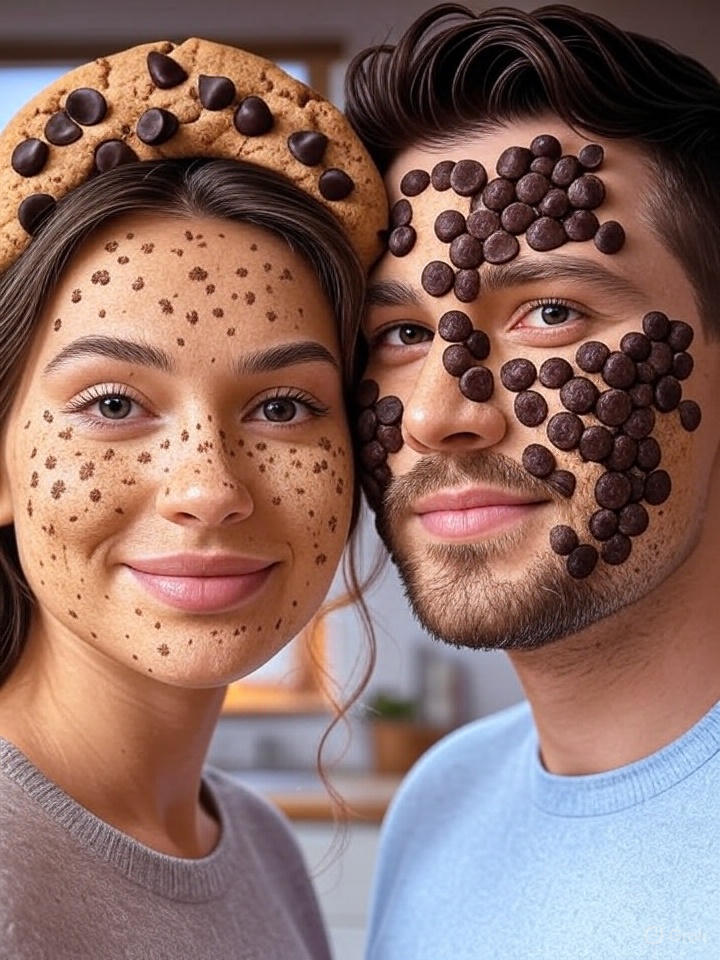 We don’t need a different perspective to know that the chocolate chip “cookies” of our world dominate rooms. They are the beautiful men and women who walk among us. We see what happens when they walk down the hall, or into our corporate meeting rooms. If we’re able to view reactions from the outside looking in, it can be quite humorous to watch reactions to them.
Some of us cringe, as we try to deny them entry in our space by telling everyone how awful we think they are, but when they talk to us, we feel an unusual and embarrassing blush come on. They can make us feel, “I can’t believe I’m admitting this,” special for just a moment. Some of us smile and laugh at everything they say, even though we just talked about how we hate them seventy-five minutes ago.
I don’t know if this is endemic to the human being, or if cicadas, squirrels and amoebas share our reactions to the beautiful beings of their species, but I’m more inclined to believe it has something to do with cultural conditioning. The chocolate chip cookies of our society appear to have it all, and as hard as we try to make dents in their impact, no societal cynicism can tear down that wall. We’re not talking those store bought, dry, and crumbly cookies that look so appealing on the shelf, because they’re manufactured and marketed so well. We’re talking the individually wrapped, freshly-baked variety that most sandwich shops offer as a side-item. We’re talking about the type of chocolate that appears so moist that we swear we can see our reflection in it. They’re the most popular, the prettiest on the shelf, and the definition of quality by which all of the others are compared.
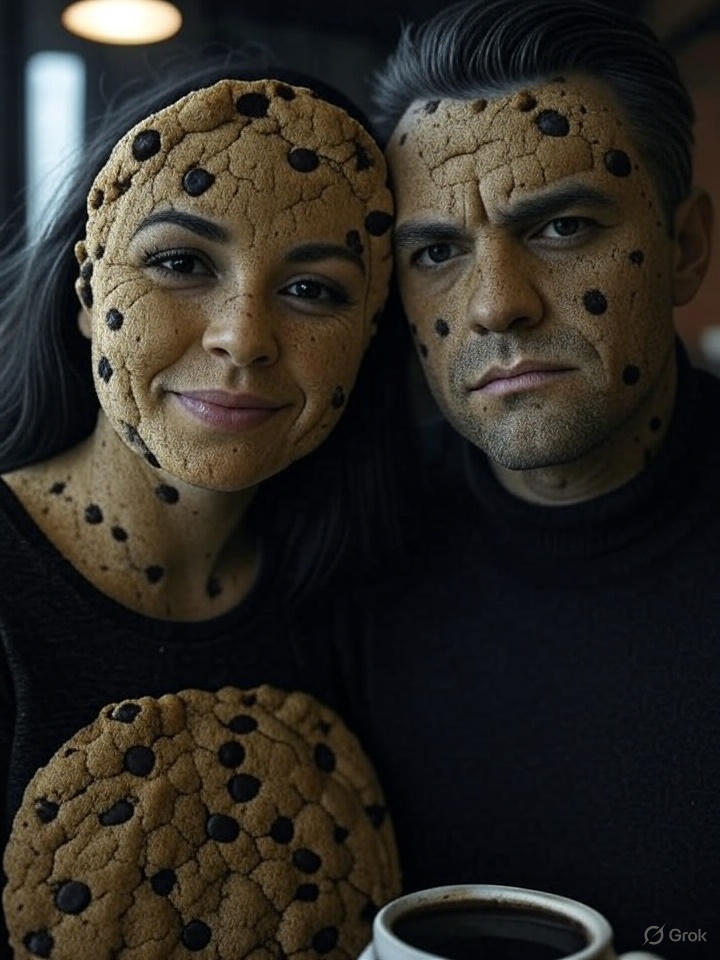 Most of us grew up other thans who saw the power of beauty, natural athleticism, and money in our cookie-cutter in our world. We watched those chocolate chips cookies fly off the shelf, and we wanted to be them for just a moment, just to know what it felt like to be a chocolate chip cookie. After learning the harsh realities of the never-will-be’s, we learn to live the life of an other than, until we convince ourselves that we’re a don’t-wanna-be. Our people, along with the cynical comedians, don’t encourage this. They prefer the ‘if you can’t beat them, hate them’ route. Hating them is supposed to make us feel better about ourselves, but it never does. Instead of correcting the course, we double down. We tell one another these lies to help us help others appreciate our gifts and our other indefinable traits to elevate our status from other thans to better thans.
Chocolate chip cookies don’t have doors slammed in their face, or that’s what we tell ourselves. We externalize our hatred to try to minimize our struggle. Yet, we had opportunities, fewer by comparison, but we had some. How many paths were available to us? Did we choose the one we’re currently on, or was it thrust upon us?
Adaptation to the limits of being an other than often requires creativity, and creativity comes and goes. We can also feel it fade with age. Our bountiful brains were once filled with fantastical ideas about how the world could work, and how different it could be if it was different. When that didn’t work, we doubled down, almost in rebellious reaction, until we stepped beyond the border and lost our anchor. Stephen King developed odd theatrics, but he maintained a common man premise from which the spectacular rose. We learned from that, and we adapted, but we were so creative that we could grow a little too creative at times. When we finally found our niche, we enjoyed it, but a niche is a niche, an “other than” as it were that rarely produce a chocolate chip in our nacre formation.
That frustration leads us to wonder how many chocolate chip cookies are 100% pure, and how many are tainted? We take what we want to take from everything, and we want to believe that our favorite chocolate chip cookies were wholesome? The cynics would say that the only 100% pure chocolate chip cookies are those that came from our grandmother’s oven, and the rest are all tainted in the manufacturing process.
 “Nothing is pure, and nothing is absolute! You still admire that chocolate chip cookie? Did you know he cheats on his taxes, steps out on his wife, and his children never felt close to him?” This is the cynical side of the “other thans”, and I’m not even sure if those nattering nabobs of negativity truly enjoy twisting their handle bar mustaches in this manner. They enjoyed doing this in high school, we all did, because it made us feel better to know more than the simpletons who believe in nouns, but when does continuing to do what we did in high school becomes so high school?
“There are matters where this matters, but we’re talking about a television star from a television show. Why don’t we just let that guy enjoy his chocolate chip cookie in peace,” we say.
“BOO!” they say. “I’m not going to let that television star off the hook, because that he wasn’t the wholesome cookie he portrayed, not in his personal life.”
“Our friend needs to bake an other than?” they say. “Everyone bakes chocolate chip cookies. He needs to try something different?”
“But everyone loves chocolate chip cookies,” we say. “They’re delicious for criminy’s sake!”
***
As an other than, we learn to use our personality to create something that serves a purpose. We then do what we do, until we reach that “Why am I still doing this?” question. Then we reach a point where we’ve answered every possible question we can think up. At another point, beyond that question, we realize that as confusing and disjointed as all this can be, it’s us. It’s who we are, what we are, and how we conduct ourselves. It’s our element, and how we conduct ourselves when we’re in our element, and until we reach a point where we can all learn how to bake bakery fresh, chewy chocolate chip cookies, through some sort of genetic modification, driven by AI, we’ll be forced to admit that we cannot all be chocolate chip cookies.
Some people actually prefer peanut butter cookies, sugar, oatmeal raisin, and all the other thans. I’ve met them. They don’t develop biological reactions to chocolate later in life. They just prefer an other than, because they find them delicious. They’re anecdotal evidence that not every person in the world prefers chocolate, but if you’re a restaurant, a gas station, or an event planner, you know it’s all about the chocolate.
We all have moments when something other than chocolate chip cookies appeal to us, but do we ever look back with regret that we didn’t try harder to be a chocolate chip cookie in a chocolate chip cookie world? Do we regret not pursuing their ingredients for success, success, SUCCESS? Some of us not only moved past all the resentment and regret, we moved into a middle ground of our own choosing. We’re the ones they call one strange cookie. We not only accepted this idea that we’d never be chocolate chip cookie, we embraced it. Some characterize this midlevel existence as a stuck-in-the-middle one, with its own unique level of suffering, but we chose to view it as us being baked differently. We used our ingredients to come up with something different. I’m not claiming that I built a better cookie, and I can’t say if it’s worse, but it took me a long time to reach a point where I can say it’s mine, “I am a cookie, and it’s good enough for me.”





 Rilaly