The Unfunny Comedian: I Love to Eat


“I love to eat. Who here loves to eat?” Barry Becker said to open his first show in Waukee, Iowa. “How many of you live to eat? I’m talking to the people who love to eat tonight. C’mon, how many of you love to eat? Let me hear you!”

“That line never gets much applause. Most applaud politely and softly, thinking, ‘I don’t know where you’re going with this, but yeah, I enjoy eating a thing or two.’ Very few people leave their seat with, “EATING! YEAH! Sing it sista!” Yet, we have to eat food to sustain life. It’s true. Look it up. In your research, you’ll find that not only does eating food sustain life, it provides the protein and vitamins we need to maintain energy levels and strength, but that doesn’t mean that we’re going to rise up and scream at the top of our lungs to express our passion for it in an open forum like this one, because people will think we’re pigs

“Even those of you who were on a half-bun, ready to rise up and scream your heads off about the glory of eating, won’t do so on the first date. It’s just … It’s not a good look. Most prospective lovers won’t mind hearing that we enjoy eating, as long as we do so in moderation. They don’t want to hear about our plans for massive weight gain. “You like what you see here, babe, because there’s going to be a whole lot more of it soon. Once you start to love me, and make me more comfortable with myself and my physical appearance, it’s only a matter of time before this,” Barry said loosely circling his belly, “becomes a big mess of Frito’s and Skittles. That’s right, this is only the beginning. I love to eat hon’.”

“Women don’t demand skinny, most don’t anyway, but they don’t want us to be all hooting and woo hooing about it either. They do it, though. That’s right, they don’t mind talking about how much they love to eat, because they’re all thin and stuff. They’re not afraid to share it with the world. “I love to eat!” They say it all the time. Really? You love to eat? I don’t think you do. Here, here’s a rack of spare ribs. Prove it!

“Starting today! Right now! If you’re a little chubby, or planning to be, shout it with me. “I love to eat!” Shout it loud, shout it proud. I like sleeping, and sitting around and do nothing for unusually long, unhealthy stretches, but nothing compares to eating. 

“Have you ever had a friend say, “Let’s go grab something to eat, and then we can-” Wait, wait, hold on, hold on, there little doggie. For me, there is no and then. I don’t know what you plan to do after this meal, but the meal is the event for me, the night out, the fun. I’m sure your other plans will be a blast, but I’m old, and keeping these beautiful curves ain’t as easy as it used to be, so I’m not into your and then. If I’m only going to be able to eat two meals a day now, and one of them has to be a light one, and you’re going to tell me to reduce my sugar intake and cut back on all those delicious, salty snacks that are probably going to lead to a painfully slow, premature death, you better bring your A-game if you’re going to ask me to have a meal with you. Use your words. Seduce me.

“Hey, I want to live a long life as much as the next guy. I want to live so long that someone at my funeral whispers, “Good God he was old!” and I know I’m going to have to sacrifice some to get there. At some point, though, I’m going to have to sit down with a spreadsheet with one column titled, ‘How long do I really want to live?’ and the other titled ‘How much fun am I having here?’ where I add, multiply, subtract and divide the quality of my life from a desired quantity.

“Meals are the event of the day. They’re what we look forward to throughout the mind-numbing hours of inputting data into a computer. The meal is our reward for putting up with the family, home repairs, and the dog that we wanted so bad at one time. We do what we’re supposed to do. We drop the kids off at school on time, pick them up on time, and we work our tail off to crunch the numbers for Mr. Jamison to try to get one small smile out of him, and then we’re supposed to go home and eat a sensible salad with a side of broccoli? Screw that! I want meat. I want a steak. I want a big old artery clogging ribeye, with a side of mashed potatoes and a beer as my reward for putting up with all that.

“I’d love to eat all I want and be as slim and trim as you, so I don’t have to see all of my chins in photographs, but to do that they suggest that we might want to consider skipping a few meals, or at least think about mixing in a salad here and there. Have you heard this joke? This ‘Feel free to mix in a salad’ they say, or, ‘Have you ever heard of a salad?’ Yes, yes, I’ve heard of salad. Somebody, somewhere told me about how they ordered a salad instead of a steak at one of the finest steakhouses in our city, because he thought he could use a little more ruffage in his diet. He didn’t order it as an appetizer. It was his main course. He wanted to be healthy, and he thought it might help him live longer. You can eat salad with a side of broccoli all you want, to live longer, but I got news for you, brothers and sisters, you’re probably not going to outlive me as much as you think. I’m not going to live forever, I know that, we all know that, but while we’re here we should live like we’re going to die tomorrow, and a portion of that means I’m going to eat whatever the hell I want.

“If you don’t view meals as the event of the day, it’s because you’re not married. The first question the wife hits you with when the two of you arrive home from work is, “What do you want to eat tonight?” It happens so often, you should be prepared, but you’re not. “Ah, crap, I didn’t even think about it today, sorry.” It’s almost stressful. You answer, and she immediately vetoes.

“I don’t want to eat there, Henry. We ate there so recently.” Why is it so important to space out restaurants, because if we eat at the same place, in a too narrow a space in time, it will ruin the event of eating that particular meal. “Let’s try something else,” she says, “and I don’t want red meat tonight, and no more pizza, for God’s sakes Henry.” Ok, well, I don’t know where to eat then. You pick. “I picked last time.” This unlocks the dreaded ‘who picked last time?’ phase of the back-and-forth. Why is this important, because you both know your tailbone is on the line to pick the greatest place to eat every time out. She picked last time, and the two of you both know what an epic failure that was, and she can’t take the pressure of picking two times in a row, especially after that last one.

“Do you have these little, internecine battles with currents and undercurrents of tension flowing back and forth between your words? We all do, right? Eating is what we must do, and what we talk about nonstop. The what, when, where, and with whom are we going to eat tonight dominate all discussion topics. “I don’t want to eat at that place, because I hate their side items. The entrees are all right, I guess, but their sides are so ordinary and bland.”

“If you’re anything like me, you take such criticism personal. You have no stake in the success or failure of that restaurant. You don’t own any of the corporation’s stocks, but you love their food, and she knows it, and that agitates us, because she seems to reject everything, we hold dear. She doesn’t do it with that purpose in mind, and we know it, but we like that place so much that it’s kind of our place, and some weird part of us takes proprietary ownership of that place in our marriage to the point that any insults directed at it are personal. Yet, we abide her veto power, and we come up with another place. “I don’t want to eat there, either, the service sucks, and their bathrooms are dirty.” Their bathrooms are dirty? I’ve heard this more than twice. How did the cleanliness of a bathroom become a bullet point in this debate? What are you going to do in there? Exactly! You’re going to do your part to do your part to dirty it up. “Cleanliness of bathrooms, she says,” we mutter as the squabble comes to a close.

“Except, we don’t mutter that, because we know what starts out as a minor rebuttal can turn a back-and-forth discussion into a squabble, which can lead to a back and forth that can somehow escalate into an argument, and on rare occasions even a fight. A fight over where to eat? If that’s not a first world problem I don’t know what is. The larger point is that the two of you will never look back on the incremental progressions of this fight with a laugh, because it’s such a silly thing to fight over. You won’t, because you know that this is the meal, the hallowed parent’s night out meal. The parent’s night out meal is not just important, it’s an existential pivot point. It might not be that substantial, but we know that every time we have to choose that perfect place. If we want to continue to enjoy the freedom and fun that come with our Tuesday nights, and we hope to keep our marriage exciting and new, we know we have to do this night up right. We have to plan, discuss the details of that plan, and iron out any differences to one day, hopefully, look back on this night as that night. “You remember that night, right?” The ‘that night’ designation is the gold standard for all nights in romantic relationships, and those of us in such relationships fear we might never get back to them, and there’s no sense in trying to duplicate them either.

“Why don’t we just eat at home?” she says as we enter the ‘give up’ phase of our process. I do not want to eat at home Mildred, we always eat at home. “It’s healthier and cheaper.” It’s not healthier. Do people ever ask you that question? They ask me that all the time. ‘How often do you eat out?’ It doesn’t matter what we say. We could say we haven’t eaten out since the Coolidge administration, and they’d say, ‘Oh, that’s so unhealthy. You have to eat at home more.’ Screw you, I like to eat out. It’s special, and I’m paying them to treat me special. When they don’t, God help them, I’ll rage. When people say it’s healthier to eat at home, I say, “Doesn’t it depend on what you eat, no matter where you eat it? What if I chose a healthy entrée and healthy sides at a restaurant? Now, I don’t, I won’t, and we all know I won’t, but what if I did?  

“When we’re not talking about what we’re going to eat, we talk about what we ate, and where we ate it. Have you eaten there yet? No, OhmiGod, you must eat there, before they have to start feeding you through a tube, you’ve got to eat there. We argue about the best places to eat and what to eat, because we love to eat.

“You are what you eat. We’ve all heard that. I have a friend who won’t eat chicken. Chicken. I understand not eating red meat and pork, but chicken? She said she doesn’t like the texture. Every time I run into her, ‘How could you not like chicken?’ is the first and last thought in my head. I have more of a problem with her than I do vegetarians. I actually respect vegetarians and vegans. I could never be one, but you have to respect the amount of discipline it takes to go into a backyard brimming with all those gorgeous smells of red meat and pork and say, “I think I’ll take the beans, lentils and organic chia seeds on that side platter over there.” I take my hat off to the, because I could never do it.

“I respect you if you’ve managed to limit your diet to legumes, flax, and chia seeds, and you only drink water that comes from the finest springs in Demark. I respect anyone who can limit their diet in that manner, but my question is always why? Well, to be healthier, they say, and being healthier actually leads to more happiness. I would never say that consumption alone leads to happiness, but it’s definitely part of the equation. If you doubt that, try having someone try to take it away from you. I saw that firsthand. Someone very dear to me told his caretakers he would rather die than give up oral consumption. He went to the extreme of threatening a lawsuit over it, because when someone threatened to take eating away from him, he wrote: “I’d rather die! Eating is the only joy I have left in life, and I’d rather die than have that taken away from me.”

“Some of us who have no limits on our joy of oral consumption choose lentils and legumes over barbecued ribs and steak, because they think those decisions will help them outlive the rest of us. They might be right, if we take accidents and other freak occurrences out of the equation, but will they be happier? It’s a leading question, because I know they won’t. They can’t be happier. We’re talking about the quality of life here.

“Eat eggs,” they say. “Eat tons of them. They’re nature’s perfect food.” “Don’t eat eggs; they’re evil.” What? “It depends on how you prepare them.” Drink coffee, don’t drink coffee. Eat steak, don’t eat steak. Eat butter over substitutes, and everything your body recognizes in the digestion process. Everything in moderation: Eat less, play more.

“Various studies suggest that if you eat less, you will have more energy to play. It makes sense and it doesn’t. We need food to sustain energy levels, but if we eat too much, the digestion of it saps our energy. Even without the science we know what happens when we eat huge. To prove their point, the study brought on some fella who tight ropes the very lowest levels of caloric intake possible. He says he’s happier and healthier than he’s ever been. I don’t question the science, but I know what I know, and I know that if I go out to eat at a big steak house, and I choose salad with a side of broccoli, I’m not going to be happier. I might have more energy, and I might be healthier, but when I’m 105, playing pickleball and parcheesi, I’m still going to be thinking about all the steaks I passed on in life. Healthier? Yes. More energetic and playful, sure, with some asterisks. Happier? No.

***

“You see me here tonight. I could stand to lose what 10, 20 … 30 pounds?” Barry asked. He turned to an audience member with a smile. “You think I could stand to lose 40?” All right, I could stand to lose a lot of weight, but I’m not a glutton. Yet, I receive sensorial joy from eating delicious food, and I find going to a restaurant and eating their food eventful. I, like the distant kings and queens of yore, get to point at a menu selection, “I shall have your finest meal on this eve.” When the server walks out with my food, or what I think is my food, most of them understand how majestic we consider their arrival. The ones who do it up right, share a knowing smile with us, and they add a very subtle element of pageantry to their arrival. If you watch them, the best of them, they have it in their stride, both of us knowing our moment has arrived. They also have a big, glorious ‘your moment has arrived’ smile on their face.

“We all know this ‘your moment has arrived’ smile. When it’s directed at us, it’s glorious. I think, I think she just directed that smile at me. Praise the heavens, she did. When I was younger and more attractive, and young women gave me that ‘your moment has arrived’ smile, it meant something entirely different. It took me a while to deal with the fact that that’s over for me, but I’m okay with it now if it means food. I’m okay with it, because when I see that smile now, it comes after I saw all the other tables around me have had their moment arrive first, while I silently implored my server to bring my food.

That smile suggests she knows what we’ve been through. Even though were good little soldiers, silently waiting, she knows. We know she knows, because she a couple minutes ago she stopped by to say, “Don’t worry, your moment is near. I just checked with the cook. It will only be moments. I promise.” Then it happens. “Look, there she is! She has that big smile and that majestic stride. She knows. She knows, and she’s still young enough, and she hasn’t done this so often that she’s lost her enthusiasm. She loves this moment as much as we do. “Wait a second, did I see pork on her tray. I think I saw pork. No! God, no!” That smile was for someone else. If feels like, in a weird way, that’s hard to explain, that she’s cheating on us, when she gives that big, glorious ‘your moment has arrived’ smile to someone else.

“What the hell is going on here?” we say, rolling our head up to the heavens. “I’m going to say something.”

“Don’t,” the wife says.

“I’m sorry, I have to say something. This is getting ridiculous.”

Then the true moment arrives, and the server knows firsthand what this means after everything we’ve been through together. She has a majestic, almost parade-like stride to deliver our food. How many of us go to the bathroom, hoping, just hoping that our moment will arrive while we’re in there? We all do this right? We all think things up to pass the time until our moment arrives. We talk. We look around at our neighboring tables, and we whisper awful things about them just to waste time, until our moment arrives. We go to the bathroom, and some of the times it works, but most of the time it doesn’t.

“And you, you in your distant, ivory tower of health and nutrition, you want me to give all this up? To what? To live longer? You’re telling me that I shouldn’t go through the cinematic highs and lows of food arrival for nutritional and health reasons? Yeah, I’m not going to do that, and I’m not even going to cut back, even if it means I’ll only live to 65 as opposed to 105.

“The event today was this big, old beautiful ribeye. Ribeye was the word that popped into my head when I woke up today. Do you hate mornings? Everyone does. We hate waking up? Today, I sprang out of bed singing, “Good Day Sunshine, Good Day Sunshine!” and I was doing it with this smile on,” Barry said pointing to an exaggerated, toothy smile. “This is my ribeye-eating smile. Ribeye was the first thing I thought about when I woke up, and it was the only thing on my mind when people spoke to me. They all became a Simpsons’ jokes, talking ribeyes.

“It sang out to me, this ribeye, calling me like some evil siren beckoning me to my doom. I couldn’t understand the lyrics, but I can tell you that she had a beautiful, alluring falsetto voice.  

“When our moment finally happened, the server slid that big old block of meat in front of me. I love everything about that moment, the majestic arrival, the “Who had the ribeye?” question, and the, “Right here!” answer I give with pride and joy of ownership in my voice, followed by the almost cinematic sound of a plate sliding across the table. These are a few of my favorite things.

“When I finally have that big, old before me, I cut the entire thing up into small, serving portions. I no longer have a big, huge ribeye before me. I have all these little ribeyes. It makes me think I have more ribeye. I don’t and I know it, but a secret part of me thinks I can fool myself into thinking I have more. I also want to enjoy chewing each bite as much as I possibly can, and cutting them into smaller portions allows each piece an ability to do that for me. If I don’t cut up my steak before taking a bite, I’ll either cut while I’m chewing, which diminishes my enjoyment somewhat, or I’ll be thinking about my next cut while I’m chewing. Either way, I’ve calculated that I’m diminishing my enjoyment of a chew by fractional percentages by cutting while I chew or thinking about my next cut. By cutting my steak into small pieces before I take my first bite, I also get all the work out of the way, so I can sit back and enjoy those cuts of beef without having to worry about any future cuts while I’m chewing, savoring, and soaking it all in.  

“We all know it’s not healthy to eat large portions, but when that server puts that plate of ribeye before me, I don’t see plate, fixings, or side items. It’s all ribeye. I’m not going to complain. I’m not going to tell that server, “I’m sorry, that’s too much ribeye.” Have you heard people do this? “Oh, that’s too much ribeye.” Excuse me, excuse me, what the hell is too much ribeye? I ask this not to boost a joke. I’m genuinely curious. How can there be too much ribeye? The premise of this guilt makes no sense to me.

“I really shouldn’t have eaten all that,” is another way they express guilt. Yeah, you didn’t say jack when they slid all that in front of you. Some people suffer gastrointestinal issues in the aftermath, and they say that that seductive, siren song I hear is the voice of a gargling monster in their head who says, ‘Go ahead, but you’re going regret it,’ followed by maniacal laughter. Food fights back some of the times. I know that, but I think most people say it just to say it, because they feel guilty eating too much.   

“So, the question I hear in your heads is, do I feel some guilt when I have a twelve-ounce ribeye sitting before me? Some? They stress that word some as if it will unlock some false wall we have before guilt. No! No, I don’t feel guilty. Not only do I not feel guilty, I think I’ve found my purpose in life when a ribeye sits before me. I feel guilty about a lot of things, I’m Catholic, but eating a big, juicy, medium rare ribeye is not one of them. We all think we were put here with a greater purpose in mind. “What’s my purpose?” they say. “I need to find my purpose.” “It’s your job in life to find your purpose.” We all say various forms of that. Well, I found mine. You can laugh and call it stupid and simple, all you want, but when it slides across the table at me, I know I’m going to love that piece of meat so much that I will make noises eating it. “And some of them won’t be what you classify as human noises,” I warn my date.

“They listen, they nod, and do you want to know what they say, it’s so cute, they say, “Hey, I like to eat too Barry, and we all make noises.” They think they know what they’re talking about when they say noises, but they ain’t ready, as evidenced by the fact that they’re all shushing me a couple bites in.

“Hey, I told you I love to eat,” I say, “and I told you that I make noises.”

“I know, but people are staring, Barry. They’re uncomfortable. We’re all … uncomfortable.”

“Then, some busybody saunters over to the table. You know what he looks like. I don’t even need to describe him. The minute he steps up to the table, with his phone out, you just know he’s going to drop some kind of busybody crap on you, talking about how he and his family are trying to enjoy a meal, and how his kid is crying, because she’s scared. He says all that, and then he adds something about public noise ordinances. Noise ordinances? Did you just say noise ordinances? Noise ordinances are about firecrackers, sirens, and barking dogs. It’s got nothing to do with the sounds a fella makes eating a delicious ribeye. Mr. Busybody shows me his phone, saying, “Here you go,” and he conveniently has a copy of section 27 of article 4 of the city’s noise ordinances all pulled up, “And you’ll see here,” he says with professorial authority, “that subsection C of article 4 specifically addresses public eating noises in restaurants.”   

“People like this busybody, some of my friends, and the women who state they’ll never eat with me in public with me again, think these noises are a problem, a real problem. We all know I could control myself, and these noises better, but I have to tell you that I don’t consider it a pressing issue. I wish I could find some way to enjoy eating more, and I fear that if I tried to temper my noises that might diminish my enjoyment of the meal by fractional percentages, and that’s just not a risk I’m willing to take at this point in my life. Because, as great as the meal of the day is, it doesn’t last long. I eat and what seems like a minute and a half later, I’m done. It’s all over. The whole event I looked forward to all day is … over. It was so hot and juicy that I ate it too fast. I didn’t chitchat. Chitchat ends with the sound of a plate sliding across a table. I don’t even look around the room when a big, old juicy ribeye sits before me. Taking in my surroundings is over too. I even forget, sometimes, that I have someone sitting across the table from me. I hate reaching the end of a meal and having to force down the last few lukewarm bites. I want it hot! So, I eat all of those beautiful cuts of ribeye so fast that some of the times I can’t even remember how good they were. I know I just met these delicious, little morsels, but in a strange way that’s tough to describe to those of you cringing throughout my testimonial tonight, I kind of miss them. I miss them so much that, look at me, I’m salivating. I know it’s disgusting, but I can’t help myself. I loved eating them so much that I almost wish I didn’t eat them, so I could eat them again. I apologize for getting so emotional, and I know I shouldn’t get so emotional over such a stupid thing. It’s unseemly and not very professional, I know. I just love them so much that it’s hard for me to accept that they’re gone now. All of them. They’re all gone. I just loved eating them so much.

[Standup comedian Barry Becker is The Unfunny comedian, and this is one of his sets. If you enjoy this style of comedy, there’s more available at The Unfunny.] 

Guy no Logical Gibberish II


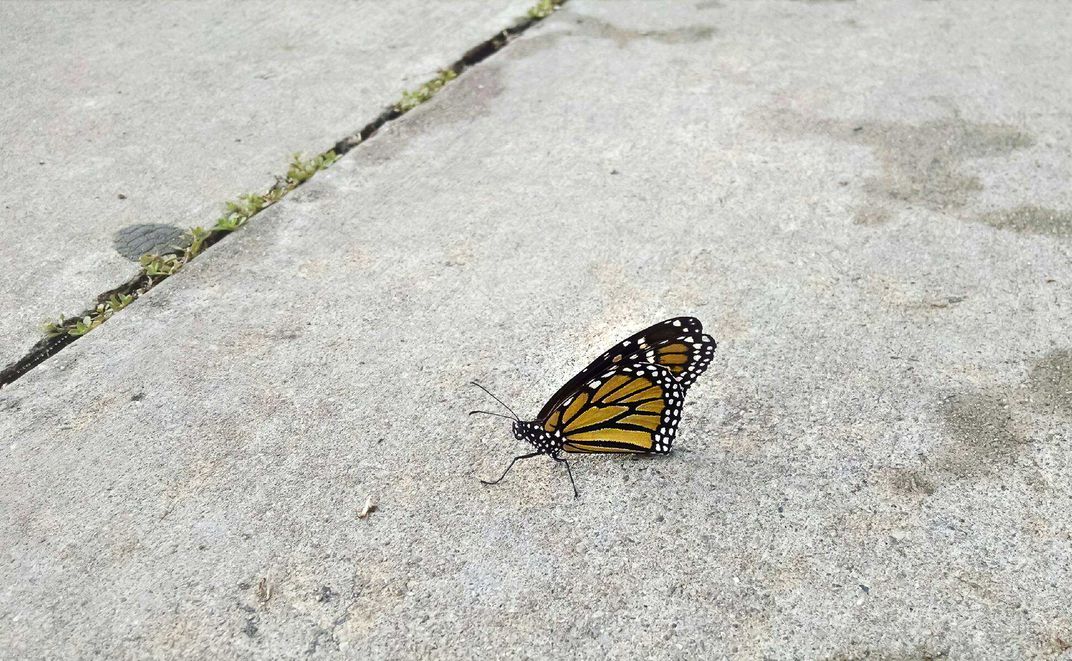
1) “If you can’t create, you perform; if you cannot perform, you teach.” Those who have no talent to create, perform, or teach, critique those who can. Those not knowledgeable enough to critique in a constructive manner, make it their lifelong goal to crush all of the above. They kill the butterfly, because they cannot fly. They knock it down, smash it into the sidewalk, and twist their foot on it for good measure. Their favorite shows run clips of the errors, mistakes, and bloopers of the accomplished, for the enjoyment of who could never create or perform. When the successful fall, it makes them feel more comfortable in their quiet, sad corner of the world. They never tried to accomplish anything outside their comfort zone, and anyone who does should know they’re subject to scorn and ridicule. Creators know that any time they create, they invite these types to treat them like a piñata, but we move on from our failed or subpar creations with the knowledge that they still have to live with the idea that they can’t create anything worthwhile. They’re stuck in that, and they laugh at those who struggle to achieve flight. They don’t remember how it started, and they don’t know why they enjoy it so much. When they started pointing out the errors creators committed, and ridiculing them for those errors, it just felt right.

2) How many us spend most of our time trying to justify our existence? When an employer hires us to find errors in another employee’s work, we find them. Some errors require notation, constructive criticism, and possible retraining, but most of the errors we find are trivial, and we know it, but finding them justifies our employment.

When someone suggested that I was “brutally honest” I tried to live up to my billing. I enjoyed this characterization so much that I eventually worked my way to “You’ll say anything”. I loved it. Others loved it too, and they wanted to be around me on a “You never know what he is going to say next” basis. I lived by the credo, “It’s not funny, not truly funny, unless someone gets hurt.”

Two consequences of this pursuit soon emerged. People stepped out of their woodwork to get me back. Otherwise, sweet people made it their goal to get savage with me. They capitalized on my every mistake and they searched for my vulnerabilities. I considered myself a victim without reflecting on how I brought this house of cards down around me. I also hurt some peoples’ feelings. Some people seek offense at every corner, but there are others. The others are innocent victims leading otherwise inoffensive lives. They have vulnerabilities. We have vulnerabilities, but the “brutally honest” who “will say anything” don’t have any regard for feelings. We might have been joking when we said something brutal about someone, because no one else would, but how many of those who are brutally honest with us are only joking? 

“When you think you’re the toughest kid on the block, someone is going to come along and beat the tar out of you,” my dad said when I told him the story about how one of my best friends beat up one of the toughest guys in school. I told him that my friend was now the talk of the school. In some strange way, I thought my dad might be proud that one of my best friends, someone with whom the two of us dined, was now considered one of the toughest kids in school. He wasn’t proud. “Tell your friend that his worries aren’t over now. They’re just beginning. Kids are going to come out of the woodwork to challenge him now, and your friend will learn that there’s always someone tougher.” When I argued that point a little he added, “There are no Queen’s rules of order when it comes to fighting. There’s always someone nastier, meaner, and dirtier. They might even pull out weaponry. There are no rules of war, and some kids will do whatever it takes to win.”

Due to the fact that I never tried to prove I was the toughest kid in the school, I didn’t think that advice applied to me. It didn’t apply in this way it was provided, but when my good friends started dropping all these characterizations at my feet, I discovered that there’s always someone smarter, funnier, quicker, and meaner and nastier. I also learned that people came out of the woodwork to take me down. They capitalized on my every mistake, and they searched for my vulnerabilities to hit me where it hurt. My fighting friend never learned the lesson my dad thought he would, but I did.    

After I learned my lesson, one of the vulnerable teed me up by telling me “Where it hurts.” I didn’t know the guy that well, and he’s telling me where he’s most vulnerable. If I didn’t know better, I would’ve thought it was a test. It wasn’t. I held my fire, and left comedy gold at that lunch table. I could’ve had a moment at the his expense, and people lived for the moments I created, but I let my people down by letting the moment float by without comment.  

3) “Never tell them where it hurts.” We make this mistake all the time. We’re with friends, and we get to talking. Somewhere along the line, we reveal a vulnerability. We also reveal our vulnerabilities to those with whom we feel most comfortable, and we also “get vulnerable to ourselves to potential friends. When they use this information to crack a harmless joke, we get defensive.

“Ah, come on, I was just joking,” Marvin says. “Don’t be so sensitive.”

“Okay, but I just told you that I am very sensitive about that.”

Marvin is not a bad guy. He’s not overly insensitive or mean, and we did not make a mistake when we chose to befriend him. Marvin is simply a victim of the “don’t think pink” paradox. The paradox suggests that the moment after we say, “don’t think pink”, pink will be the only thing on the mind of everyone we warn.

Marvin probably didn’t even know why he cracked that joke, but when we revealed our sensitivity to him, he saw pink. He never noticed how large and glaring our flaw was, until we told him about it. Every time he sees us now, he sees pink, and we’re all pink on the inside. 

If you want to debate how prevalent this predilection is, try telling someone how sensitive you are about the size and shape of our left eyetooth? If you have no such sensitivities, tell a trusted friend that you are extremely sensitive about it. They might not say anything about immediately, but they will eventually crack a harmless joke about it. They will eventually see pink. Should we think less of them in the aftermath, or should we view it as a challenge similar to the don’t think pink challenge, or the challenge we experience when we have a sore in our mouth. We know touching the sore with our tongue will only irritate it and make it worse, but we’re obsessed with it. When we see all of this for what it truly is, it shouldn’t concern us as much as how often we forget to cover our wounds when we meet new people. Never tell them where it hurts.  

4) “How many times do I have to forget these lessons before I finally learn them?” we might ask ourselves the next time someone exploits our weaknesses. “If someone taught me such principles, I might not make them so often.” Were our parents this incompetent? Are we incompetent parents? How do we prepare our kids? Should we? Do they have to learn such lessons on their own, or can I prepare them better to help them avoid the lessons I keep forgetting?  

“I gave birth to you, what more do you want?” was the philosophical answer provided by the Rosanne Barr School of Parenting. It was a line she delivered on her hit show Rosanne. It was a joke. We don’t know if she believed it or not, or if it was just something she said to be funny. Students of comedy tell us that clever humor can hit the laugh-or-meter, but if the purveyor of comedy wants to hit that rarefied air of hilarious, the joke needs an element of truth that the audience can relate to their life. It was a joke, but it obviously resonated with some of us.

When our kid was born, it was the most glorious moment in our lives. The kid was life, and no matter how anonymously some of us live, this kid will provide proof that we were here. Then it happened. Parenting got all hard and stuff. The kid didn’t appreciate us as much as they should have. The kid talked back, the kid wanted things they couldn’t have, and we weren’t always right. A line like, “I gave birth to you, what more do you want?” let us off the hook. We did our job. It’s their job now to do something with it.

“If you have to ask,” Adam Carolla once said on his podcast, “then you’re probably doing it right.” If you feel the need to call into a show or read a book for answers, and ask other parents for advice, you’re probably what they call a good parent, because it shows you’re trying. We’ve all heard the phrase parenthood is the hardest job in the world, and we often put parents on pedestals, but parents aren’t good people just because they become parents. Some parents know this, and they struggle to find the best way to raise their child. “The very idea that you just called into a national call-in show to ask that question probably means you’re a good parent,” Carolla added, “because it shows that you care.” Carolla then went onto answer the caller’s question for the benefit of all of the “I gave birth to you, what more do you want?” parents who might be listening in.

Turn and Face the Strange


“Don’t bendStay strange.” –David Bowie

“All children are born artists, the problem is to remain artists as we grow up.” –Pablo Picasso.

“We don’t grow into creativity, we grow out of it.” –Ken Robinson said to further the Picasso quote.

“Don’t bend. Stay Strange,” is such a simplistic and beautiful quote that if we heard it earlier in life, some of us might have stitched it out on oven mitts, T-shirts, and flags.

“What’s it mean though?” we ask,

David Bowie answered in an appearance on a 70’s show called The Midnight Special. It’s difficult to capture the effect that weird, strange, and just plain different appearance had on me all those decades ago. I was floored. I was flabbergasted. I craved the weird, even when I was young. Even before I knew the totality of what embracing meant. When Bowie walked out, I thought it was shtick. I waited for him to break out some Steve Martin-ish routine, and then he started singing. Bowie’s commanding voice informed me this was not an affectation. It was a full-on embrace of the weird. It made me uncomfortable, but it also confused me. I was so young, and so confused, that I considered his appearance unsettling, and I needed help dealing with it.

“He’s just weird,” she said. She was trying to comfort me. Her message was he’s so weird that he’s probably being weird for the sake of being weird, and that we should dismiss him on that basis. I argued that I didn’t think so. “If that’s the case,” she said, “we probably don’t want to peel that onion.” I didn’t want anyone to consider me weird, so I tried to dismiss him. I couldn’t look away though. I never saw anyone embraced the weird before. I thought weird was what we whispered when we saw it walking down the street, and we walked a lower case (‘b’) around it.

If Bowie dropped this quote on me, as a kid, it might have helped me through the swamp, but I don’t think Bowie would’ve dropped such a line on a kid. Rock stars are generally impetuous creatures, but I would hope that David Bowie wouldn’t be so reckless as to advise a child to embrace the weird. I think he reserved such notions for relatively stable, confident adults. If he followed that impulse, I think he knew it might cost that kid some happiness, for the world is so confusing to a kid that they need to embrace normalcy until their minds are strong enough to embrace the weird. I also think such a quote might mess with that young person’s artistic cocoon. I think Bowie knew, from firsthand experience, that the struggle to maintain the weird defines the artist in constructive, creative ways. To paraphrase the Picasso quote above, the problem isn’t how to become weird, strange, and just plain different. The problem is to maintain it as we work our way through the mire and maze of childhood.

The chore of the artist is to maintain the element of weird, while melding it with the normalcy of adulthood. Those of us who were weird had some weird ideas that were weird for the sake of being weird. We were passionately weird, and learning how to form an identity. We’re now glad there are no records of our strange thoughts. We needed seasoning. We needed to understand norms better if we were ever going to constructively mock, ridicule, or upend their conventions. This perspective is particularly vital to writers, as it gives them an outside perspective from which to report on those who followed their passion throughout life and embrace the weird, strange, and just plain different.

***

Some scholars, like Sir Ken Robinson, want us to violate this theory by changing school curriculum to accommodate the weird, strange, and just plain different. In his popular Ted Talk speech, Robinson cites anecdotal evidence to suggest that we should change the curriculum to recognize the unique and special qualities of weird, strange, and just plain different students.

Shouldn’t they learn the rules first? Most writers were wildly imaginative kids, and when our kids flash their unique fantastical worldview before us, we remember how weird we used to be. We fondly remember how imaginative and creative we used to be. Our kids reignite that internal, eternal flame in us. We remember how special it was to be imaginative without borders, but we also remember how unstable and confusing that time was. We were impulsively and instinctively imaginative without borders, and we smashed through whatever borders they put in our way, but most of the results of our beautiful and wonderful childish creativity was gobbedly gook.

We didn’t know what we were talking about because we were kids. We didn’t do anything worthwhile, even when we were wildly creative, because we didn’t know what we were doing. We were kids. When we think of the rules, we often think of some humorless school master enforcing discipline at the end of a ruler, but we often forget how many little, seemingly inconsequential matters we learned along the way to help form our thoughts into mature creativity, and how a stew of those little, relatively inconsequential matters and our wild creativity made us who we are today.

There will always be prodigies, but what percentage of the population do we consider prodigies? For the rest of us, there is a special formula to achieving final form. This painfully methodical process involves rebelling against our establishment, succumbing to it, recognizing its inherent flaws, and returning to our rebellion with an informed mind. As I wrote in the Platypus People blog, “one of our first jobs of a future rebel is to learn the rules of order better than those who choose to follow them.” The idea that the manner in which school curriculum deprives, stilts and discourages creativity is a strong one, but do these scholars remember how confusing the adolescent years could be for the kids who weren’t prodigies? Lost in this discussion is our need to understand that which we now deem unreasonable, irrational, and in need of change. Why does this work, how does that work, and how and why should we change this to that? 

“I welcome your complaints, but if you’re going to complain, you better have a solution,” our teachers told us. The crux of that line is the difference between weird for the sake of being weird and constructive oddities. How can we form a solution to the artistic complaints we have, if we don’t first understand the problem better than those who are just fine with it?

The perfect formula, as I see it for the creative artist, as Pablo Picasso said, is to remain weird after learning the curriculum and surviving the need to conform. When we learn how to read, write, and arithmetic, we use them to fertilize the science of creativity. If an artist can maintain their fantastical thoughts after learning, they might be able to employ the disciplines they need to enhance their creative and innovative mind to artistic maturity.

We don’t know many specifics of Sir Ken’s dream school, but one of the fundamental elements he theoretically employs is the need to play. The creative mind, he says, needs time and space to play. Throw them a block and let them play with it, and we’ll see their ingenious minds at work. He dots his speech with humorous anecdotes that serve to further his thesis. We know that Wayne Gretzky spent much of his youth playing with a stick and a hockey puck in every way he could dream up, and we learn that other kids develop their own relatively ingenious little theories by playing. We cannot forget to let them play. It is a well-thought out, provocative theory, but it neglects to mention how important discipline is in this equation. The discipline necessary to figure out complicated mathematical equations and formulas might seem frivolous to a dance prodigy, for example, but Geometry works the mind in many ways it otherwise wouldn’t.

“Why do I have to learn this?” we all asked in Geometry class. “What are the chances that I’ll ever use this knowledge? If I become the vice-president of a bank, what are the chances that knowledge of the Alexandrian Greek mathematician Euclid’s theories will come into play?” One answer to the question arrives when we meet a fellow banker who knows nothing but banking. For whatever reason our fellow banker knew she wanted to be a bank vice-president at a very young age. Her focus was such that she had the tunnel vision necessary to succeed in the banking world, but everyone who knows her knows the minute she clocks out for the day, she’s lost. She might be successful by most measures, but she knows nothing about the world outside of banking, because she never needed any knowledge beyond that which exists in banking.  

“How can you report on the world, if you know nothing about it?” is a question I would ask everyone from David Bowie to the twelve-year-old prodigy who wrote a fantasy novel. The kid’s story fascinated me, because writing a 200 page novel is so foreign to my concept of what it means to be twelve-years-old. I was trying to make friends and be happy at twelve-years-old. I read the news article about this kid with great interest, and if I ever ran into him, I would encourage him to see his talent to its extent, and I would applaud him for what he did, but I would never read his novel. I don’t think a twelve-year-old’s vision of the world would do anything for me.

Sir Ken Robinson doesn’t say that he wants to do away with the core curriculum directly, but in his idyllic world, we need to cater it to the talents of people like this twelve-year-old prodigy, the dance prodigies, and all the other as of yet unrecognized prodigies around the world.

We’ve all heard tales of these uniquely talented creative people and prodigies with tunnel vision. We marvel at their tales, but we’ve also heard tales of how former prodigies don’t know how to fit in the world properly. They’ve reached their goal by producing a relatively prodigious output, but they’re now unhappy. 

How could they be unhappy when people pay them to do something we’d pay someone to do? If the word unhappy doesn’t do it for you, how about unfulfilled? Their weird thoughts of the world are not an artistic affectation. 

Something fundamental is missing in them that they’ll never square properly. Being on the proverbial stage is the only thing that gives them joy, and they understand this as little as we do. It might have something to do with being in the spotlight their whole lives, but it might go deeper than that. It might have something to do with the fact that their authority figures never forced them to be normal, and they never had to learn the basic, core answers the rest of us learned by working through all of the pointless exercises that our core curriculum required. “So, if I take a Geometry class, I’m going to be less confused about the world?” No, but if you learn how to learn how to use your brain to figure out the tiny, relatively meaningless facets of life, it might help you arrive at answers that help you cope with the otherwise random world a little better.

Robinson might be onto something when he suggests that if we feed into a prodigy’s creative instincts, we might have more of them, and they might be happier people as a result. His thesis suggests that most people are unhappy because they have untapped talent that we neglect to foster. Let them play, he says. Fine, I say, but why can’t we let them play at a dance school, in art class, or in a school band? Why can’t we just throw a block at them in their free time? Do we have to devote our entire curriculum to helping them recognize their talent? A strong, confident adult is so difficult to raise that as much as I would’ve loved some devotion to recognizing my weird talent, I think I would’ve ended up deficient in so many other areas that I would’ve been miserable. Devotion to recognizing my weird talents would’ve made me happier in the short term, as I think I was always heading down a certain road I didn’t recognize for some time, but I think I’d probably would’ve ended up more confused than I already am.

“Don’t bend. Stay strange,” is the great advice David Bowie passed on, but I think it should only be used by those who manage to maintain some of the creativity they had in youth and managed to remain artists. Most artists think they could’ve been prodigies if someone came along, recognized their talents, and coached them up, and many think they wasted so much time in school learning things that didn’t matter? Robinson feeds into these fantasies with some anecdotal evidence that suggests if we would’ve just danced more, we might have discovered that we were dance prodigies. He suggests that if we, as parents, learn how to feed our child’s talent, they might be happier. If the child’s interests are satisfied, they might be more satisfied. Possibly, but if we devote our entire curriculum to dance, creative writing, painting, or one of the other art forms, how many failed upstarts might we have? Students mature at different rates, and while developing schools devoted to encourage more creativity, it will likely result in unequal amounts of misery among those we consider prodigies based on their wild imaginations, but they were actually engaged in nothing more than child-like gibberish.