When I first tasted guacamole, I was suspicious. How could something other than the strawberry, taste so good and be so healthy for you? I understand that kale and watercress are healthier, but they taste healthy. Guacamole is loaded with healthy fats, potassium, and vitamins C, K, and B6? It’s an excellent source of monounsaturated and polyunsaturated fats, and it tastes so good? What is going on here? The one negative I found is its fat content, it can be high in calories, but as long as you eat it responsibly, you can enjoy all the health benefits coupled with its almost unrivaled glory in the mouth.
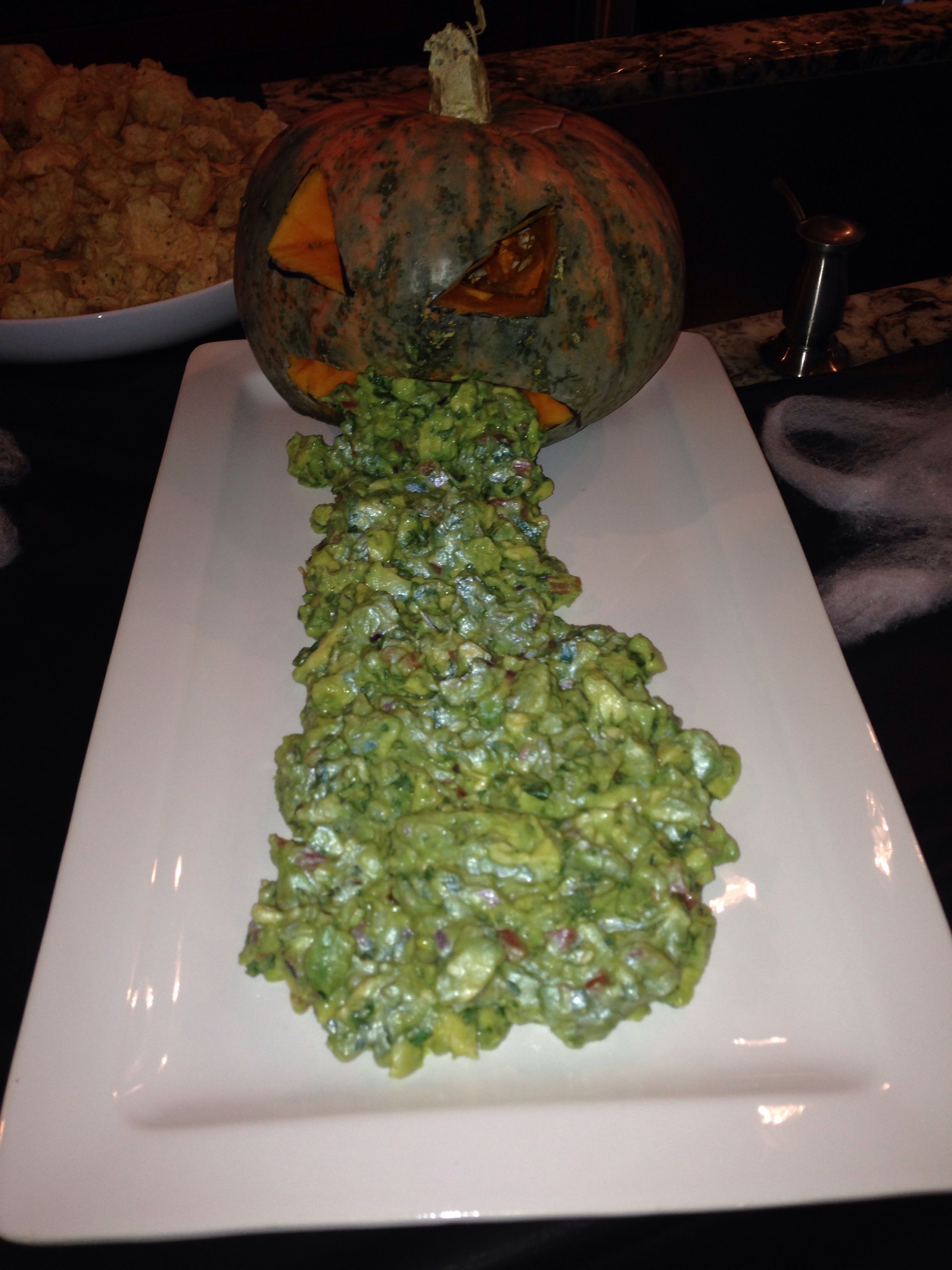
Do you love guacamole? Who doesn’t in the great Southwest? Right? Let’s hear it for guacamole! Everyone put your hands together and pay tribute to the mashed-up avocado. How many people applauded? What was that about … 50/50? It’s slimy, and there’s some kind of unusual aftertaste that you can never quite get out of your mouth. I get it. It’s an acquired taste. I don’t think anyone tastes it for the first time and thinks yum! When you get older and health and nutrition become more important, however, and you think of all the choices you have before you, avocado and guacamole isn’t that bad, until you actually start to like it. That’s where I’m at now. I’ve heard all of the ‘Guacamole is slimy, unappealingly green, and it just looks like vomit’ charges, and I actually defend it now. Yes, I’ve put my reputation on the line to defend some pretty stupid things before, but defending a fruit to the point that I get all amped up about it is strange, even to me, but I thought it was one of nature’s most perfect products. Screw the egg. Give me guac on toast, and guac from Chipotle’s in particular. I tried to put it on top of everything, from every sandwich I’ve ever put in my mouth to pizza to soup. Soup doesn’t work so well, by the way.
 Avocado is a fruit. Does that sound strange? Look at it, that’s a fruit? Would the appeal factor go up, if it was a vegetable? Vegetables are supposed to be green. The fruity world is all vibrant with a dizzying array of colors, they’re all juicy, and most of them share a satisfying texture (I’m looking at you apple boy!) The texture of the avocado is just weird. It’s not all soggy and gross, like the peach, but it’s not slide your teeth along the texture apple either. Everything about it says vegetable to me. I’m wrong, and I must admit I’ve been wrong for an embarrassingly long time. The avocado comes from a flower, so it’s a fruit. Anyway, who cares, I read the literature on the avocado, and I fell headlong in love with the fruit, until I went to the zoo.
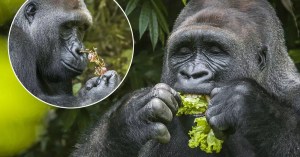
You know where I’m headed here, I say to those who know where I’m headed. At the zoo, I saw a beautiful gorilla with a mean case of diarrhea. Now, if you’re anything like me, you appreciate the good, the bad and the ugly of nature, but this was so runny and so guacamole-colored out that if I was the type who lost my appetite over disgusting matters, I might not be able to eat guacamole for the rest of my life. You didn’t know that’s where I was headed? Well, buckle up, because you’re in for a bumpy ride.
Another gorilla stepped in, and I don’t know if it was a boy or a girl, because I didn’t check, but we’ll call him Hank for the purpose of distinguishing him from Diarrhea Dan. Hank appeared to have a hankering for the food that went through Diarrhea Dan’s intestinal fermentation process, except Hank didn’t go to the guacamole-colored dung pool just below his brother’s anus. Hank preferred a more personal approach. He preferred that which still clung to the hairs just outside his brother’s anus. I debated whether or not this was a product of evolution, because gorillas, as smart as they are, never figured out how to make their own toilet paper, or if this gorilla just fancied the taste of dung.
 We know that the primate is not alone in enjoying the byproducts of the gastrointestinal system. Dogs love it, rabbits and rodents don’t mind a nibble here and there, and they all have their reasons for doing so, so why don’t we?
‘Because they’re animals,’ we say, trying to distance ourselves from them and any definition of us as descendants, ‘and they don’t know any better.’ That’s fine and true, but we confuse kids when we talk about how cute and incredibly intelligent they are. Kids combine what we teach them with of all the anthropomorphic actions they see in cartoons, and they’re stunned when they see gorillas and chimpanzees get so violent with one another, masturbate, and eat each other’s crap. ‘They’re animals, and that’s just what they do,’ we say to help them achieve distance. When they do cute, anthropomorphic, almost human things, we inform our children how intimately related with are to the gorilla and the chimpanzee. When they eat other’s crap, they’re primates, and that’s what primates do. We sever all ties and any links.
“Hey, if you want in the family, you’re going to have to keep yourself clean back there, and learn how to use toilet paper or something, for God’s sakes. If you’re not going to abide by our customs in this manner, you will need to refrain from eating it, and I don’t care if you have a problem cutting back Hank. I’m sure we could develop a program or something if you need it, but if you continue down this road, you’re out of the family.”
If we are such close relatives, why did we choose to invent a device, the toilet, to take our waste matter as far away from us as possible? Some of us might look at it for a second for health-related reasons and pure curiosity, but then we want it taken out of sight, out of mind. Why did we invent toilet paper, for that matter, and why do we use it so often? ‘We want to keep our backsides clean,’ you answer. Well, they do too. They just have a different means of doing so, and their method might be some sort of evolutionary tactic they developed to protect members of their clan from health related concerns and predators. Is that why we do wipe and flush it from memory, or do the links to the chimpanzee on the Hominini genera still pop up after four million years in odd moments and weird times in the form of us considering our neighbor’s waste matter visually stimulating. “Hey, Dan, you still have some serious dung hanging. Could you do something to get it out of my sight my man. I can’t take it anymore.”
When we view animals like humans, in certain ways, we call it anthropomorphism, right? When humans act like animals we call it zoomorphism. We’re not talking about mascots or furries. We’re talking about the little things we do, like a child nibbling on a nut, like a squirrel. These links are everywhere, some real and some imagined, but if we watch an ape long enough, we’re going to see some fascinating anthropomorphic links.
Some of the times, we choose to pursue our links. Like when we go camping in the wild, nature hikes, or in some way we think brings us closer to our native origins, getting closer to nature, and our natural beginnings. We also go on primal diets, like the paleo diet, and our primary reason for doing so is to ape the diet of those more closely related to the ape, the paleolithic man. The entrepreneurs of the paleo diet pitched it saying that these early humans had lower rates of obesity, heart disease, diabetes, and other chronic health conditions due to their differences in diet. You can say that you bought into the diet to thwart diseases and the other conditions, and you probably told your friends that too, but you know, down deep, that you just wanted to be as skinny as the picture of that paleolithic man. It made sense to us too on some level. I mean, have you ever seen a fat paleolithic man? We also know that all the sugars, like fructose syrup, are man-made, unnatural chemicals. It makes sense when we learn that these are things our body doesn’t know how to digest properly, and we know that all these chemicals and enhancements make us fat. The paleolithic man ate natural foods, because that’s all they had.
It all sounded great, and I had people from various walks of life talking about it, pitching it, and telling me that the paleo diet should provide a pathway for all humans. “We’re all going to be on it soon,” one of my friends said. “Soon after we cross the big 4-0.”
I spotted the fly in the ointment right away, from the get, and I’m not saying I’m a genius, or that my initial reaction was ingenious. I thought it was a common-sense question, ‘Wasn’t there life expectancy thirty-five?’ That’s a fly in the soup, right? It’s something that we might need to fully explore before completely overhauling our diet. Some didn’t, and we all know one. They went whole hog into it without asking that question. They saw the images of the paleolithic man, and they said, you can say what you want about his intelligence and the fact that he probably needed a full body wax, but that man was slim and trim.
Dietitians now say that one of the problems with the paleo diet is that it can lead to cancer, heart disease, loss of bone density, and fatty liver. They don’t mention the life-expectancy of thirty-five, but I think we all get the point. Now that the paleolithic craze is mostly behind us, the question is what did we go wrong? We did it to get skinny, and it worked, but that whole heart disease and loss of bone density got to us. What if the one thing we missed in the overall diet of the paleolithic man was coprophagia, or the eating of another’s dung? That’s right, scientists developed a term for it, and yes, I had to look it up, because I’m not so well versed in the language that I knew we coined a term for it.
I also never knew that a guy developed this term coprophagia. It had to be a guy, right? Someone had to say, ‘Hey how about coprophagia?’ and the others in the group had to say, ‘All right, Oskar, we’ll give you this one.’ Except there wasn’t an Oskar, or anyone else who wanted credit for coining the term. I never found a name in all the research I did, because the guy who invented it obviously didn’t want credit for it, and we can only imagine that he didn’t want credit because he didn’t want to face all of questions regarding why he coined the term, including the most prominent, why? All we get is a group of Austrian psychiatrists developed it, but we have to think there was one individual who stepped forward and linked the Ancient Greek terms kopros (feces) and phagein (to eat), but that individual’s name is lost to history, and it’s probably because he wanted that way.
What if all of the flaws inherent in the paleolithic man’s diet and our attempts to mimic it could be resolved with a little coprophagia? Eating our neighbor’s guacamole, or allocoprophagy, or eating our own autocoprophagy (other “why?” terms). Nutritionists would immediately nix autocoprophagia, because that would be redundant, but what about allocoprophagy, eating your neighbor’s poop? What if paleo-diet researchers found that by eating your neighbor’s poop, you could nullify the unhealthy elements of the diet? Would we still follow it?
“Hey Darryl, I’m on this diet now … This is so embarrassing, but the wife thinks I need to drop twenty pounds, and I cannot shake my Frito’s addiction, so I hope this doesn’t put a strain on our friendship, or you think less of me, but … but could you start saving your … bowel movements. I know this is a hell of an ask … but I brought my own Tupperware …” What if autocoprophagia fixed some of the flaws of the paleolithic diet, and you could live the 72.81 years as skinny as the Paleolithic man? We all want to be skinny, but at a certain point, I think we would start asking ourselves about quantity of life versus quality.
And speaking of quantity versus quality, what do we think of Hank the gorilla’s primary concern with the dung in his brother’s anus? Quantity or quality? Quantity, right? He’s a gorilla, more is more. They’re not smart enough, or cultured enough to have preferences. Am I alone in limiting their species in this regard? They eat to survive and thrive. Fatty foods might taste better to them, but that’s because they need it to stay warm for the winter, but does the bear notice that salmon tastes better than the low-fat alternative tilapia? If they caught a tilapia, would they throw it back? Whatever the case is, I found out how wrong I was after Hank scooped out Diarrhea Dan’s moist dung and ingested it. The point of this observation is not whether or not he’d go back to the source for more, it was how fast he went back. More is always more, right? If Hank enjoyed Dan’s product as much as we think he did, our next guess is he would go back for more as quick as possible to beat all of the other allocoprophagics in his enclosure who were looking to get in on the action. I was wrong. I was so wrong that I think my mouth actually opened when I saw Hank take his time while ingesting his brother’s byproduct, in the way I will when I happen upon a guacamole or that perfect strawberry. Mother Nature is imperfect, but every once in a while, she produces something close to perfection. Have you ever had this strawberry? There’s always at least one a bushel. It’s not too sweet and not too dull. I call it the Goldilocks strawberry. When I taste a Goldilocks strawberry, I take a moment to savor its absolute perfection. I roll it around on my tongue, so it hits every sensor while I chew. I close my eyes, and I flutter. I find it euphoric, and I’m glad I lived long enough to experience this moment. It’s almost instinctual, and it can be embarrassing, but I can’t help it.
Hank did this. I might be exaggerating a little, and the correlation might not be 100% exact, but I swear I saw Hank roll his brother’s waste matter around on his tongue to let it hit every sensor. Then, he closed his eyes slowly, like I do with the strawberry, and I swear on my mother’s rotting carcass that I saw some fluttering of the eyelids. There wasn’t much fluttering, but the one thing I will write without equivocation is that I wasn’t looking for it, because I didn’t want to see it. I didn’t want to see Hank do that in the first place, but to see him savor it was almost too much for me. Before that afternoon, I didn’t think gorillas savored. We’ve all seen dogs lick their lips, but is that savoring, or is it the dog making sure there isn’t a drop of food they missed? Whatever the case is, I wasn’t looking for a sign of an ape’s relative definition of quality versus quantity, and the eye fluttering or any form of savoring. I wasn’t looking for anything that I wanted to see. The whole moment, every little thing Hank did, convinced me that this was his definition of ecstasy.
I didn’t want to see what I saw. Not only did it gross me out, but seeing this little slice of anthropomorphism actually made me a little uncomfortable. I instinctively moved to shield my kid’s eyes, because it made me so uncomfortable to watch the ape enjoy that so much that I didn’t want to answer my kid’s questions in the aftermath of it.
Now, was I uncomfortable watching it because I wanted to give Hank his privacy? I don’t know, but when we see someone experience a moment of ecstasy, we want to leave them alone in it, especially when they’re displaying it in public. I wasn’t sure if he knew he was in public, but I had what I considered the instinctive response that displays like these should be kept in the privacy of our bedrooms, and bathrooms, and then I thought well, this is kind of his bedroom slash bathroom, and I wondered if zoo animals realize they’re in public. Think about that for a second, if you were being watched 24/7, you might become so accustomed to it that you forget that at any given time, ten people could be watching you.
As I stepped away, it dawned on me that this whole experience might be a message from God that I am to deliver to you here tonight, and that message is this, your whole definition of taste, flavor and preferences is in need of a complete philosophical overhaul.
Seriously, think about your tastes and preferences for just a second. What’s the first thing we think about when we think about taste? Eating and drinking right? Well, taste and flavor apply to the arts too, when we’re talking about appeal. In the arts, one man’s dung is another man’s Goldilocks strawberry.
Everyone is trying to appeal to someone else’s taste when they write, paint, sing, and cook, and some of the times we change what we do to try to appeal to taste, but what does the everyman find appealing? Something that we enjoy so much it makes our brain tingle, does not do anything for our brother. Do you have this brother, raised in the same home, you talk all the time, and he’s almost 180 degrees different from you? How does that happen? That’s an entirely different article, but the point is that taste is so relative that it’s almost impossible to create a flavor that has widespread, universal appeal. The word flavor should have a capitalized (‘F’) on it, as it focuses on such a wide spectrum of taste. It should be an umbrella term for all sensorial sensations. Food and drink have a flavor of course, but so do music, literature, and all of the arts in the sense that some of it creates the same but different brain tingles and eye fluttering.
Some taste is a reward for fulfilling a need. Have you ever heard that? I find it fascinating that our brain rewards us for fulfilling a biological need. The brain convinces us that by fulfilling a need that item of food tastes better. It’s sort of the brain’s way of tricking us into eating, drinking, or otherwise ingesting more of whatever that was that we just ingested. I eat one strawberry, and it tastes like the greatest piece of food I’ve ever eaten. It’s glorious. Why? Because I’m fulfilling a need the body has for vitamin C. I don’t know if this is an exact correlation, but it seems like the greater the need, the greater that strawberry tastes. The brain rewards us for satisfying a need. That strawberry tastes like the best fruit, the best piece of food we’ve ever had. It’s euphoric. It can almost feel like a religious experience.
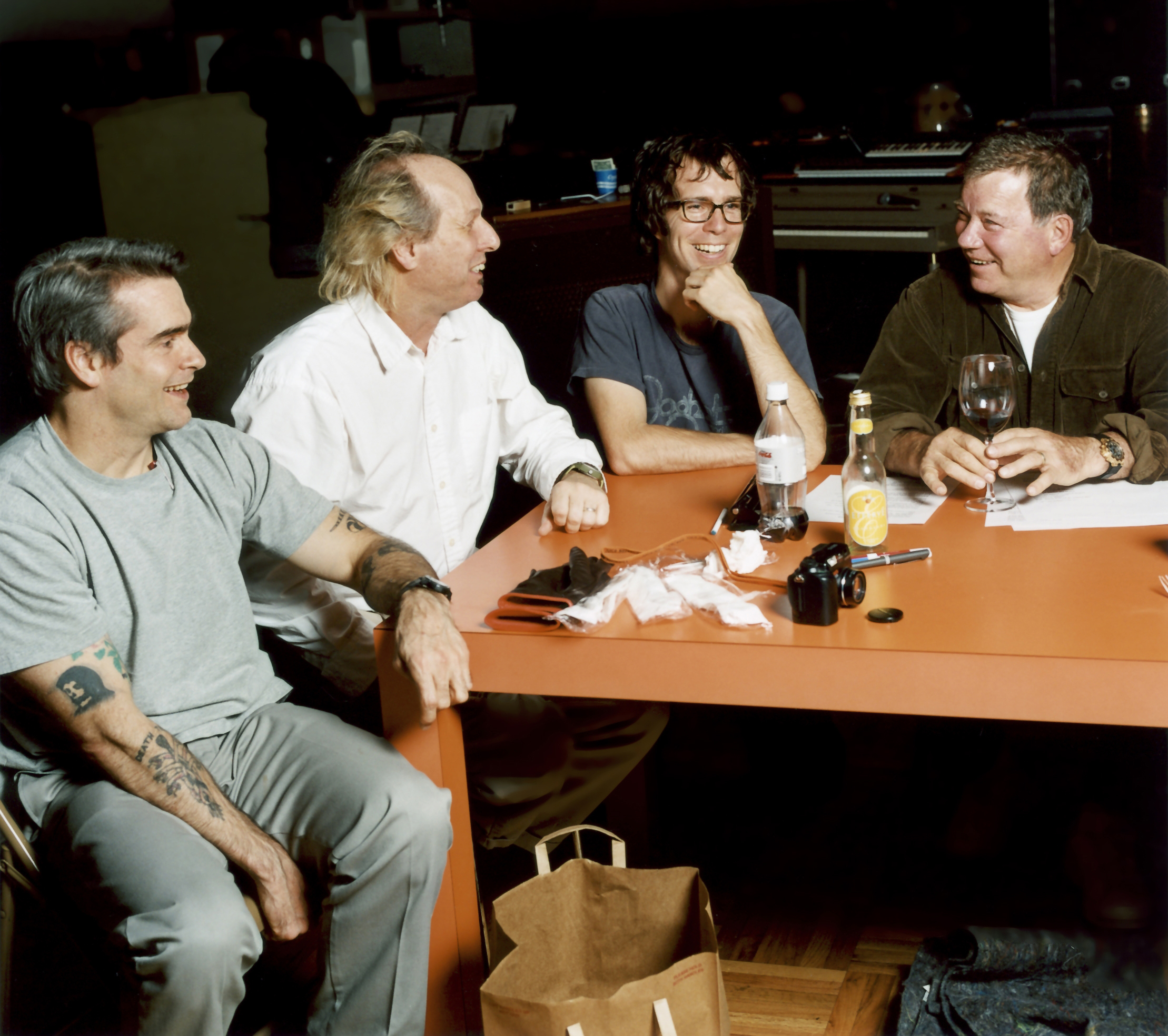
Which brings us back to Hank. Was Hank experiencing a nutritional depletion that his brother’s guacamole satisfied. Is that why he not only ate it, but savored it to the point that his eyes fluttered? The roles those two gorillas played in that enclosure defined for me what proved to be similar to what I consider one of the most unusual and successful pairings in music history: Ben Folds and William Shatner.
Do you know Ben Folds? I’m a fan, and I’ve been a fan for a long time, but my taste in music is such that he’s never been one of “my guys”. He has had some fantastic songs, but if I were to run into Ben Folds, and I informed him how close he comes to reaching me, so often, with so many of his songs, I’m sure he wouldn’t care. Not only would he not care, he shouldn’t care. If I met him and told him that most of his music just barely misses the mark for me, he should say, “That’s on you brother. I can only do what I do. I can’t worry about pleasing you, offending you, or entertaining you. If it pleases enough people that I can make a living at this game, that’s great, but I’m not going to change what I do to please you or anyone else.”
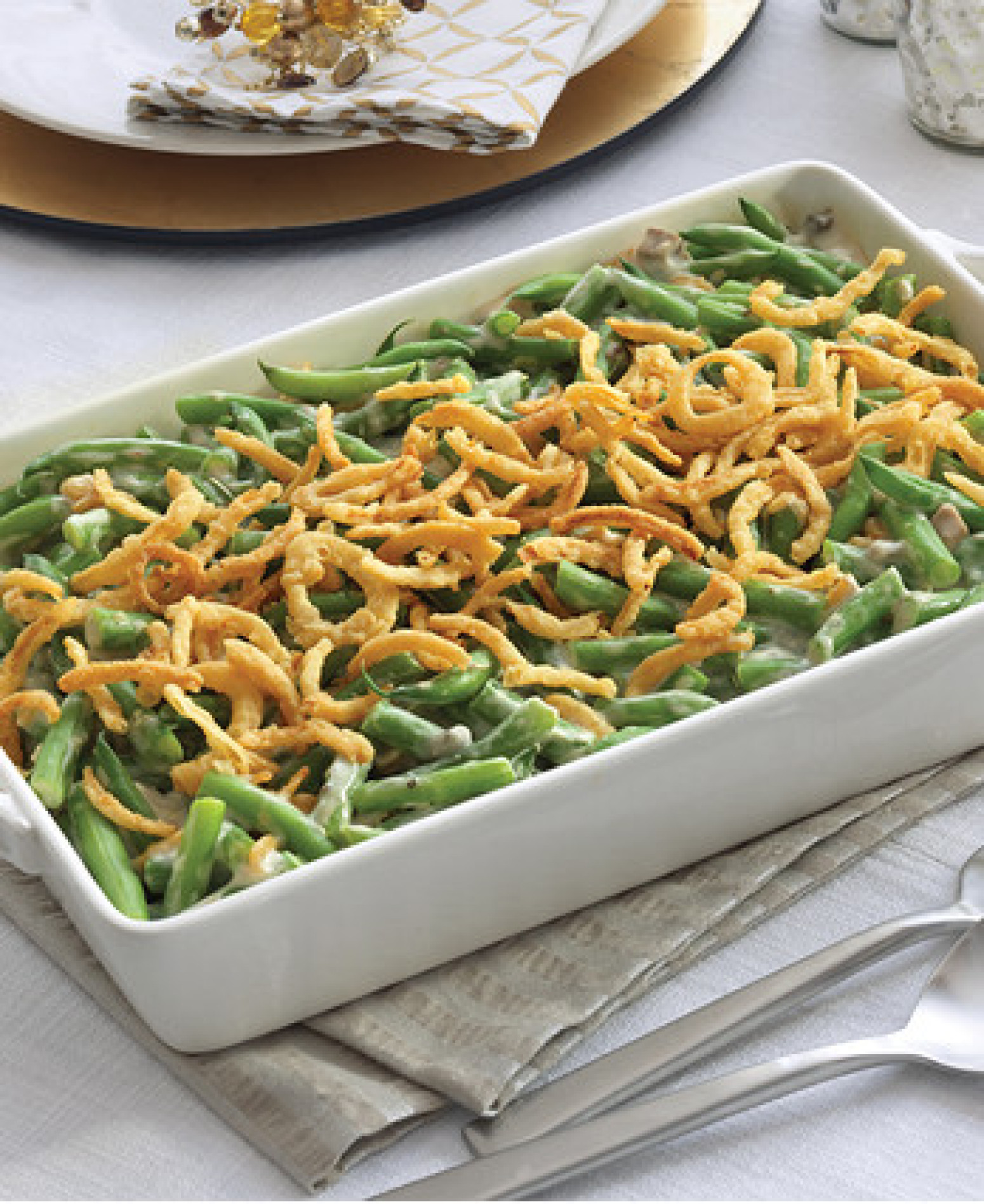
 William Shatner is not one of “my guys” either, but he’s always been around. He’s the green bean casserole of the entertainment world. I doubt anyone who has yet to try green bean casserole would look at it and think, “Oh, sweet savior, give me some of that!” I thought it looked gross when I was a kid, but it was always there, and it has always been there for corporate functions, family get-togethers and potluck dinners. When we eventually “what the hell” it, we discover it’s not that bad. Then, as long as we don’t overdo it, repetition can even lead to some level of fondness, until we find ourselves looking forward to the next get together or potluck dinner that has a tray of it. That’s William Shatner. He has his die-hard fans, but most of us don’t love him. He’s never bothered me, but I don’t think I’ve ever watched anything he’s been a part of just because he’s in it. He’s not the worst actor, or the greatest, but he has been in so many movies, TV shows, and other formats that we now look forward to seeing him pop up in various productions.
No one should confuse the term “my guys” with an analysis of talent. I’ll drop the typical line that people drop to explain this discrepancy. “I respect the heck out of what Folds and Shatner do, and I always have, but they just don’t reach me on a personal level.” They’re both so talented that they’ve carved out prolific, decades long careers in their own cut-throat business, and I’ve enjoyed their output, but neither of them are my guys.
Some purists think that if you like this guy, then you have to loathe that guy. You ever play this zero-sum game, where you have to take sides. People zero-sum John Lennon and Paul McCartney all the time. We can’t like both of them in certain social circles. We have to pick, because they take sides. I prefer John Lennon. Okay fine. “Yeah, but I don’t think Paul McCartney is talented at all.” I understand that we all take sides in any competition or rivalry, but to suggest that a talent on par with Paul McCartney has no talent is ludicrous. Yet, the Silly Love Songs vs. Important Songs debate rages on in some quarters, as Lennon fans suggest Lennon was not only more creative, he was more important. These people relate more with Lennon, and because of that Lennon was “their guy”, but to prove that point, they belittle McCartney’s Silly Love Songs talent. The man is in the Guinness Book of World Records for most songs written. Don’t tell me he doesn’t have any talent for God’s sakes.
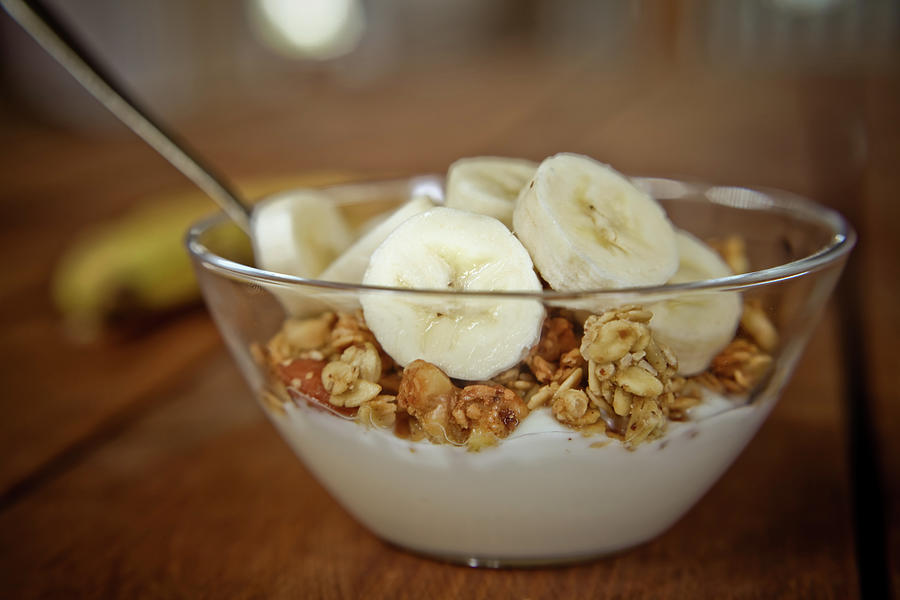
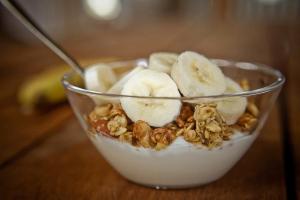 I missed the Folds and Shatner collaboration for years, because they weren’t “my guys”. When I eventually heard the album Has Been, however, I was blown away. Forgive me for mixing metaphors here, but it reminded me of one of my favorite concoctions: cranberry granola and banana flavored yogurt. Banana flavored yogurt is too sweet for me on its own, and while the cranberry flavor of granola is tasty, I probably wouldn’t eat it as a standalone. When I put the two together, however, I enjoy it so much that I’ve considered submitting it to the overlords as my reward for living a decent, moral life. When I pass on, I want to meet my long-deceased relatives of course, and I wouldn’t mind it if someone played me a Braham’s Sonata on the harp, but if they’re wondering how best to reward me for a life well lived, might I suggest that the floors and walls of my reward taste like the banana-flavored yogurt and cranberry granola concoction I created.
When we eat concoctions like these, we spoon too much of one flavor most of the times. Some of the times, we spoon too much yogurt, and some of the times, we spoon too much granola, but there are occasions, at least once a container, when we hit a Goldilocks spoonful. The album Has Been is the Goldilocks concoction of talent for me, and when I listened to it often enough to recognize its brilliance, I fluttered my eyes and savored the moment. I did so, figuring that this pairing would be a one-off. I loved Has Been so much that I went back to the other concoctions they’ve made together, and then I went back to their solo work to see if I missed something, but none of them hit the mark in quite the same manner. On their own, Shatner and Folds create interesting, quality material that doesn’t quite hit that Holy Crud, brilliant mark for me, but together they created what I consider their Goldilocks moment. I would think that such moments are so fleeting in any artist’s career that when they hit one, they would immediately run back into the studio to dispense another collaboration, but perhaps they don’t think they can create another Goldilocks moment together. I know they did singles together before and after Has Been, but that album was so good that I would think it would drive them right back into the studio to do another collaboration. We know that Folds’ affinity for Shatner brought them together, and that their work together impressed Shatner so much that he called Folds a genius, but we don’t know why they don’t make more albums together. Perhaps they think that fate and whatnot only permit one Goldilocks moment a life.
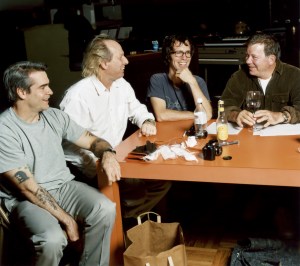 Now, you might go home to your gramophone and place the Has Been phonograph on it, but before you hand crank it to life and place the needle where ever you place it, just know that you might not like the Has Been. It’s silly in parts, and our synonym for silly is stupid. It might never appeal to your refined palette, and you might mock me later for loving such silly songs. To combat such artistic differences, I used to turn on my tormentors and ask, “Oh yeah, well, what’s your favorite album? Yeah, that album is crap.” I’m beyond that now. I’d prefer that you dig deep to find your jewels, but you don’t care what I think, and I don’t care what you think. I don’t care who your favorite artist is anymore, as long as you’re not an “I dunno” gal. We all go on autopilot to some degree, but “I dunno listeners” miss months and years, because they’re not plugged in. It doesn’t have to be albums or music, it can be an absolutely beautiful book, a painting that moves you, or a small, seemingly insignificant scrape of dung from your brother’s anus. Find something that moves you, is my advice in life, and makes you think something different about your world. You might never experience euphoria when you hear music or taste a strawberry or a container of cranberry granola and banana flavored yogurt, but if you don’t passionately seek output from others’ dispensaries, how superior are you to our distant brother Hank? He enjoyed something so much that he fluttered his eyes to savor what he found for just a moment. We might consider that weird, gross, and disgusting, but he experienced a relative level of natural euphoria that most of us never will. He experienced a slice of life that we might never find, because we’re not looking for it, because we’re a bunch of ‘I dunnos’. Knowing how varied tastes are, and that God sent me here today to deliver the message that your whole definition of taste needs an overhaul, is why I’m not afraid to put on a show like this here tonight.
 A good book, a podcast, or an energetic heavy metal album can make working out less tedious, but physical fitness experts tell us that doing that is a mistake. “If you want the optimum results from a workout,” they say. “You need to mentally and physically maintain a focus on the muscles, or the muscle groups, that you’re working on. If you seek optimum results, you’ll workout without distraction.” My guess is that they’re talking about weight training exclusively, because what difference does it make if we’re distracted on a treadmill?
  Those of us who hate working out on a regular basis love jokes like these, and we repeat them as often as we can. We also love articles that state, “No one really needs to undergo intense weight training four days a week. Some of the times, all we need is a low impact, low stress, long walk.” It’s true, but how true is it? Is it a convenient truth that we use to avoid stressful, rigorous workouts that can prove painful. Depending on our age, we need to stress and strain our muscles a little, maybe as little as two times a week for fifteen minutes a day. “That’s it?” That’s it, but they need to be intense workouts. They should involve some strain and some pain.
  These at-home machines are a physical showcase of our discipline, and we’re not afraid to parade our friends around them, but the only exercise they offer us, after the initial push, pedal, and pull, is when we dust them off before our friends arrive. These machines and home gyms are also not only expensive, they take up a lot of space in our homes, because we’ll never resell these products for that would be an admission of failure beyond cancelling a gym membership.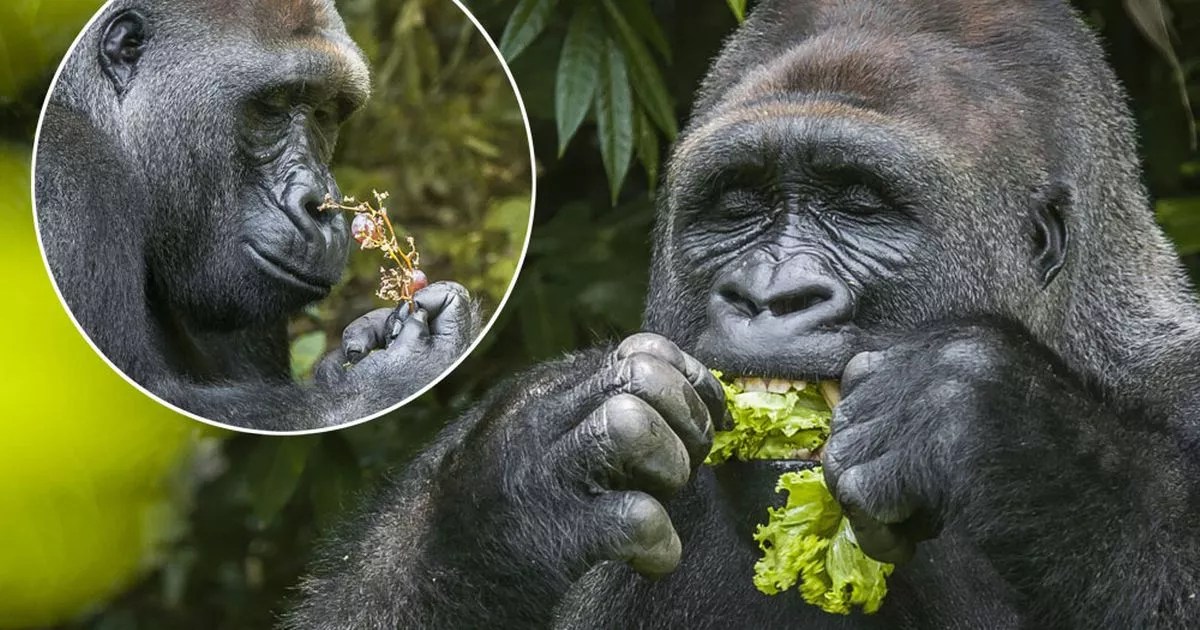



 Rilaly