“Life can only be understood backwards; but it must be lived forwards.” Soren Kierkegaard
I thought my teenage rebellion was so intense that it might give me some insight into the subject. I might not be not an expert on much, but I could probably give seminars on teenage rebellion. Now that teenage rebellion has done an about face, and it’s in my face, I’ve realized tis’ better to give than receive, and as with just about everything involving the complex human mind, teenage rebellion is so situational that we can only learn from it going forward.
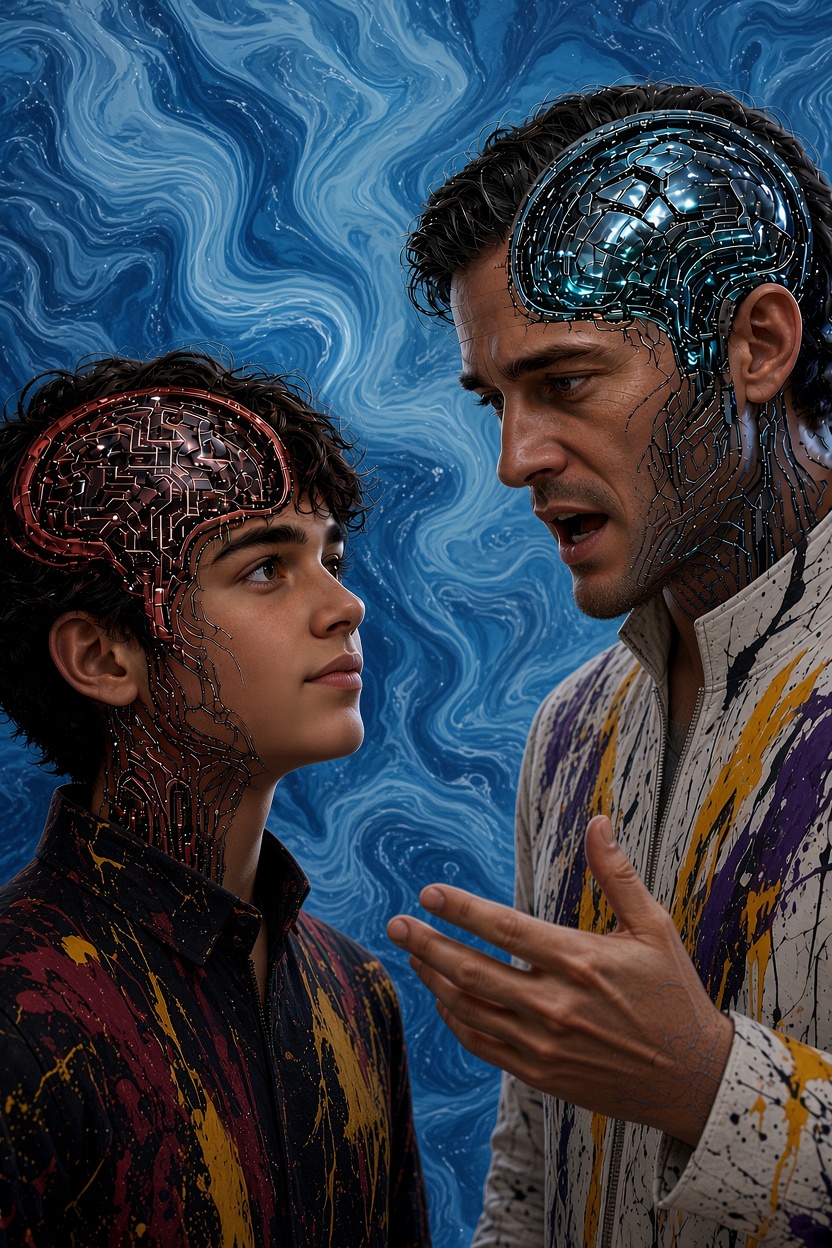 The circumstances that defined my teen years are so different than my rebellious teenager’s that I cannot use my model to understand his better. I was an angry young man, due to situations beyond anyone’s control. Those circumstances deprived me of a normal maturation process, and I was righteously indignant about it. Give me something to be righteously indignant about, back then, and I righteously indignanted it. It made me angry, and I didn’t care what it was. My son is not near as angry, because he does not have as much to be as angry about, so his rebellion isn’t as intense, but he does need to define himself, and I am his opposing force.
“I actually worry about boys who don’t rebel,” I used to say to fathers who complained about their rebellious sons. “Rebellion is a boy’s way to develop his own distinct and individual personality, and they do so in direct contrast to their dad’s. Most men, I know now, who didn’t rebel against their dads when they were teenagers turned out to be relatively uninteresting adults.” I still think that observation holds, but my theoretical arguments recently met reality with my own kid. I realized that it doesn’t matter how we look at it, teen rebellion always hurts a little. I’m learning that I’m no longer his idol, his reason for being, or his joy in life. I knew this was coming, we all do, as some form of rebellion is almost an inevitability. Yet, it still hurts a little to learn that we’re now playing the bad guy in their production, and one of their goals in life is to find a way to destroy our Death Star.
Rebellious Stages
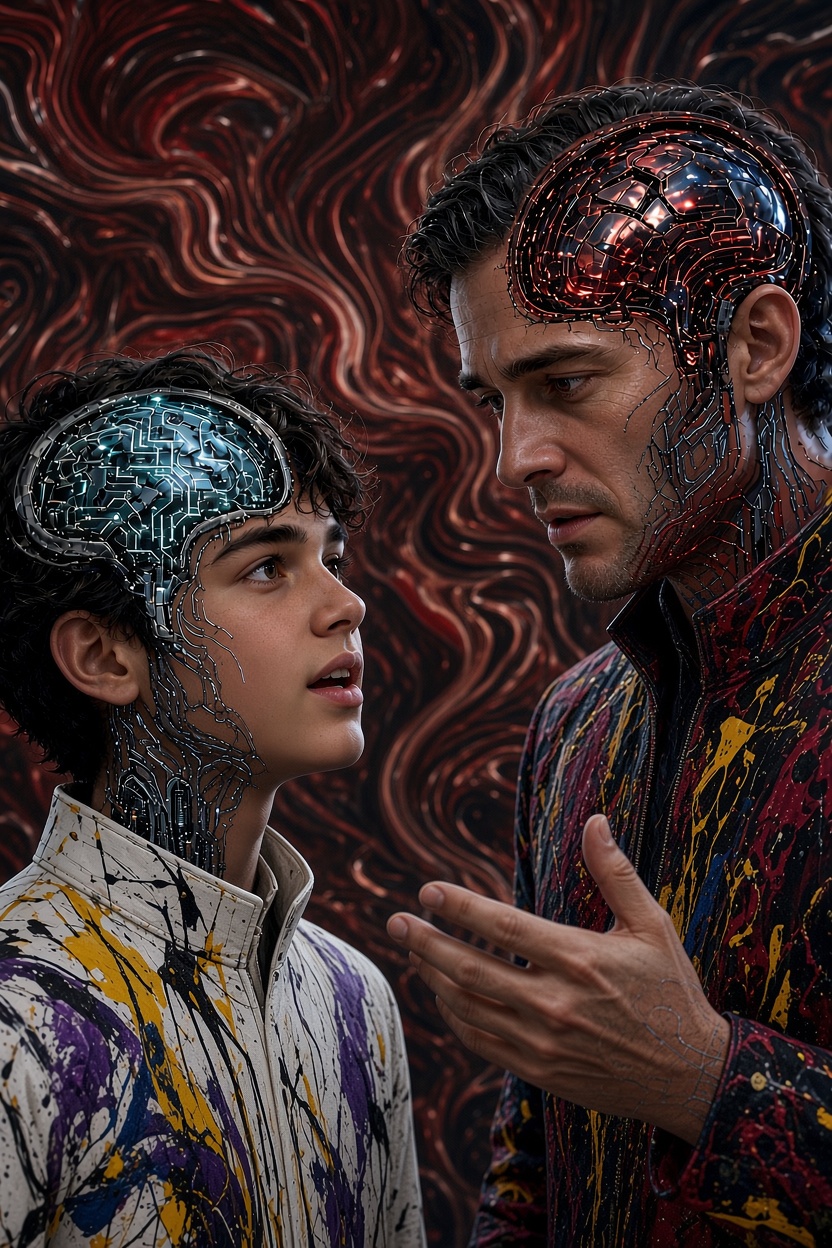 “I hate you!” they say, to kick off the first stage of their rebellion. I’ve heard other parents who were genuinely damaged by this coming-of-age comment, because their kid said it with such a mean face, like they actually meant it. “They’re sending a flare up to see how you react to it. I’m not saying they don’t mean it. They mean it, like we meant it, but they’re dumb kids, like we were. We didn’t know what we were talking about back then, and they’re as dumb and immature as we were.”
In their ever-maturing mind that isn’t mature yet, they’ve discovered that we aren’t the greatest thing since sliced bread. “You’re dumb!” he says with and without using those words. It’s part of the process.
If we die before they hit their teen years, they’ll have our legacy preserved in amber, and they will spend their whole lives trying to live up to whatever idealized image they dreamed up about us. If we’re lucky enough to survive long enough to see them mature to their teen years, we’ll learn how many faults we have. They view their existence as that of a prisoner in a jail cell whose only mission in life is to escape. They’ll examine our fortress for the smallest chink, and they’ll use it once they find it. If we’re lucky enough to survive into their thirties and forties, we might eventually see them circle back to the idea that we’re not as dumb as they thought we were. If these progressions aren’t universal truths, they are close.
“I have free will” he told me at the store to kick off the next stage of his rebellion. He said this after I questioned the item that he wanted me to purchase for him. I suggested he purchase another item, and he stubbornly refused. He considered this ‘free will’ line, a line he learned while studying The Constitution in class, the perfect comeback. I could see it on his face.
“You do have free will,” I said, “but the force of your free will will be offset by another force, a fiduciary one that will arrive when we enter the checkout aisle. When fiduciary requirements limit your free will, that constraint will be met by a different and opposing force, mine.”
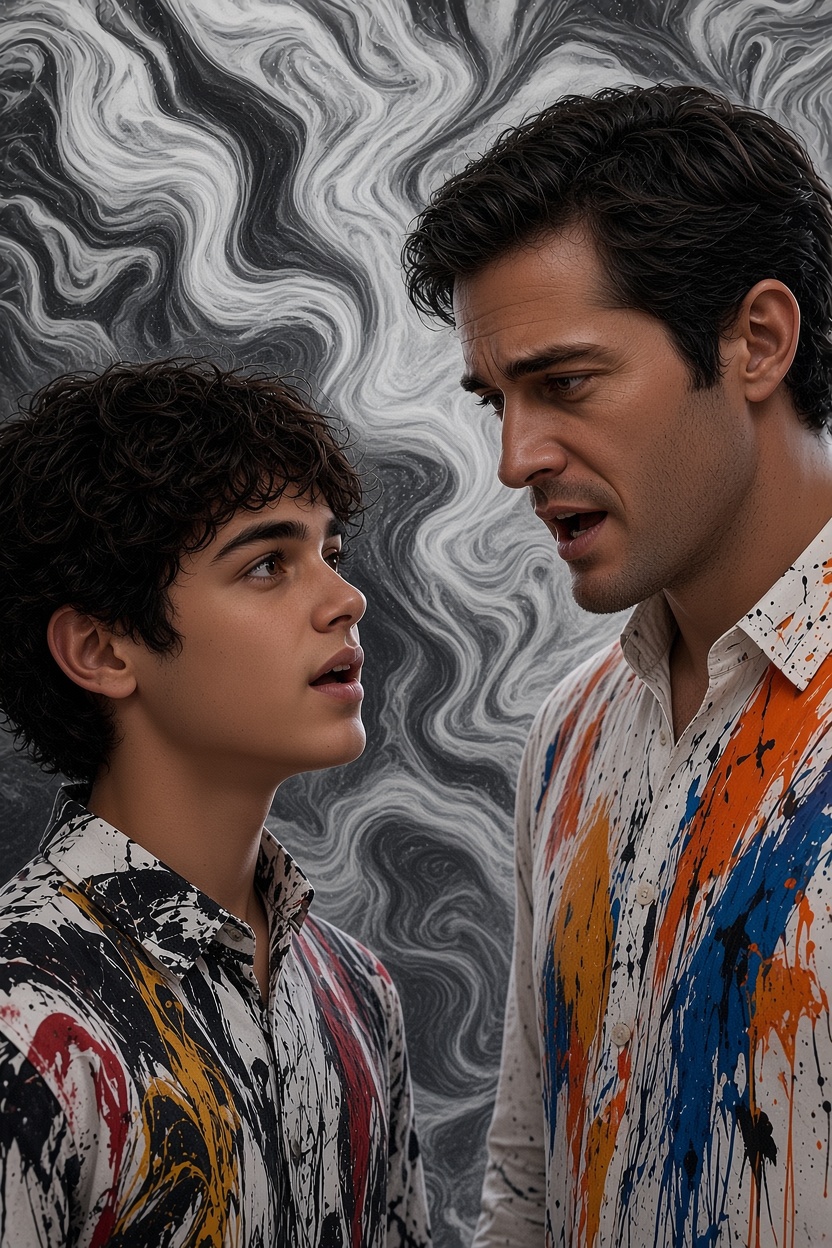 His definition of rebellion has changed, progressed, and evolved, and my responses to it require an equal measure of progression. He, like most boys his age, is a robot. He doesn’t view the world emotionally. He doesn’t care if his statements hurt my feelings, as far as he’s concerned I’m as automated as he is, and it doesn’t do either of us any good if we become animated about it. His brain hasn’t matured enough to embrace empathy or sympathy yet. He requires logic, rational thinking, and a psychologically sound rationale from me. In these moments, he doesn’t like me, but he doesn’t dislike me as much as I disliked my father. Even if his revelations on the limitations of my intelligence and my horrible characteristics progress, I know I can’t let my desire to get him to like me get in the way of doing what I think is best for him.
It’s all about the small stuff at this point, I don’t like the shirt he’s wearing, I don’t like his hairdo, and I don’t like the way he overreacts to silly, stupid things, but we’re just entering the first act of our production. He’s starting to make his own conscientious choices, and in that tiny arena, I know nothing, but I’ve heard genuine non-sarcastic admissions to his friends that they should go to me for answers, “Because he always seems to know things.”
My dad was a serious man, introverted unless he was drinking, religious on Sundays, and a narcissist. I tried, in every way I could think up, to be the exact opposite of all that. He wanted me to get good grades, because he didn’t want to get in trouble with the in-laws. I like to think I’m more concerned with his well-being, his happiness, and his ultimate successes in life. I celebrate his momentary successes, and I criticize him for his failings, but I’m not so old, or so far removed from the situations he faces, to know how hard it is to succeed academically and athletically. I tell him that I can advise him and steer him in the right direction, but at some point, he’s going to be on the field or behind a desk by himself. One of the biggest differences between my dad and me is that I’m in the stands, literally and figuratively, cheering him on. I tell him this when he rebels. I tell him that we’re on the same team, but it doesn’t make a dent, literally or figuratively.
My advice to anyone experiencing such a dilemma is that if your son is between the ages of thirteen and twenty-six, he is not fully formed yet. As painful as their rebellion can be, at times, they’re trying to discover their individuality, and that definition will be formed at our expense. No matter how unlikable, unreliable I am as an intellectual, or how inconsistent I can be, by his definition, I will continue to try to be a strong, consistent beacon in the darkness for him when matters become too complicated and chaotic for him. I also know that as we travel down this road together, I should probably grab onto something for stability, as this is only stage one.
Those of us who have never been the Death Star before wonder if they’ll ever appreciate what we’re doing for them? I know I didn’t appreciate what my dad did for me for a long, LONG time. As I raise my son, I reflect on one of the mistakes/lessons my dad taught me. My dad made the mistake of expecting praise, appreciation, and/or personal rewards for everything he did for me. It’s human nature to expect that, right? As my dad learned the hard way, they might arrive, but we’ll have to eat right, exercise regularly, and be one of the lucky ones who lives long enough to hear it.

