“Why do you watch such awful shows about such awful people?” our mother asks us. “Even the comedies you love are about awful people doing awful things to one another.”
“It’s complicated.” We say that because that’s what the critics call the complicated characters of Pulp Fiction, The Sopranos, and Breaking Bad. They call them complicated characters, because they’re good guys, family men in some cases, who just happen to do bad things. It might be complicated for them, but it’s pretty simple for us. We love criminality, violence, and a general stench of awfulness in our entertainment vehicles.

“If it doesn’t have some violence, or the threat thereof, we’re kind of bored,” a friend of mine said to wrap it all up for me. Is that so complicated it’s simple or so simple it’s complicated. We let those who concern themselves with such matters resolve those heady concepts, we just know we love reading watching, listening, and playing games that are violent in nature.
The funny thing is an overwhelming majority of us haven’t even considered using violence to solve our problems since our kindergarten teacher scolded us for doing so. We also pick up on their bizarre, cringey, and hilarious justifications, “He had to do it ma’, that guy just ate some of his peanut butter without asking. It’s about respect.” Yet, we only apply it to fictional characters in fictional settings.
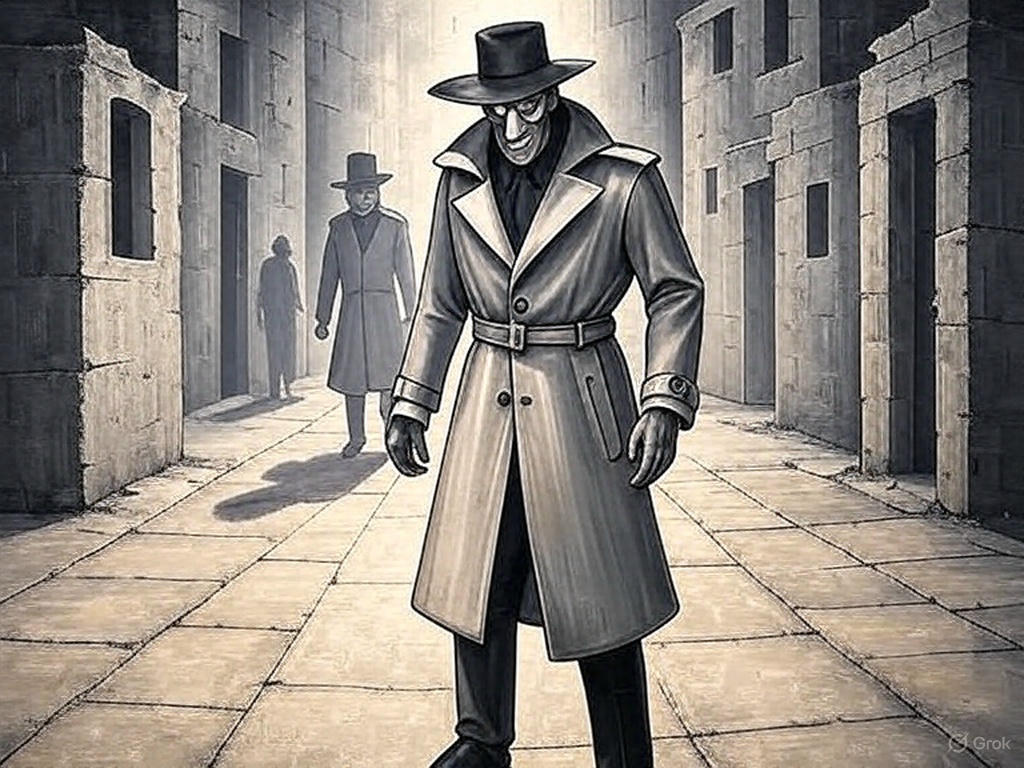
“I only take from the rich,” is another justification the modern thief uses, in modern movies, to establish their nobility. ‘Fair enough,’ viewers at home might say if we accidentally view their actions in an objective manner, ‘but who are the rich?’ Gilligan’s Island prototypes dance in our heads when we think of “the rich”, but the rich guy demographic is actually a pretty broad category. It can include “evil” hedge fund managers who short-sell a company into oblivion and devastate its employees, but it can also include the little old lady who scrimped and saved her whole life, so she didn’t have to work when she became frail and feeble. We don’t want to think about the latter, because they don’t fit the Robin Hood myth that thieves only steal from the obnoxiously rich to level the unfair playing field by giving it to the poor, and overcomplicating such simple matters does ruin movies.
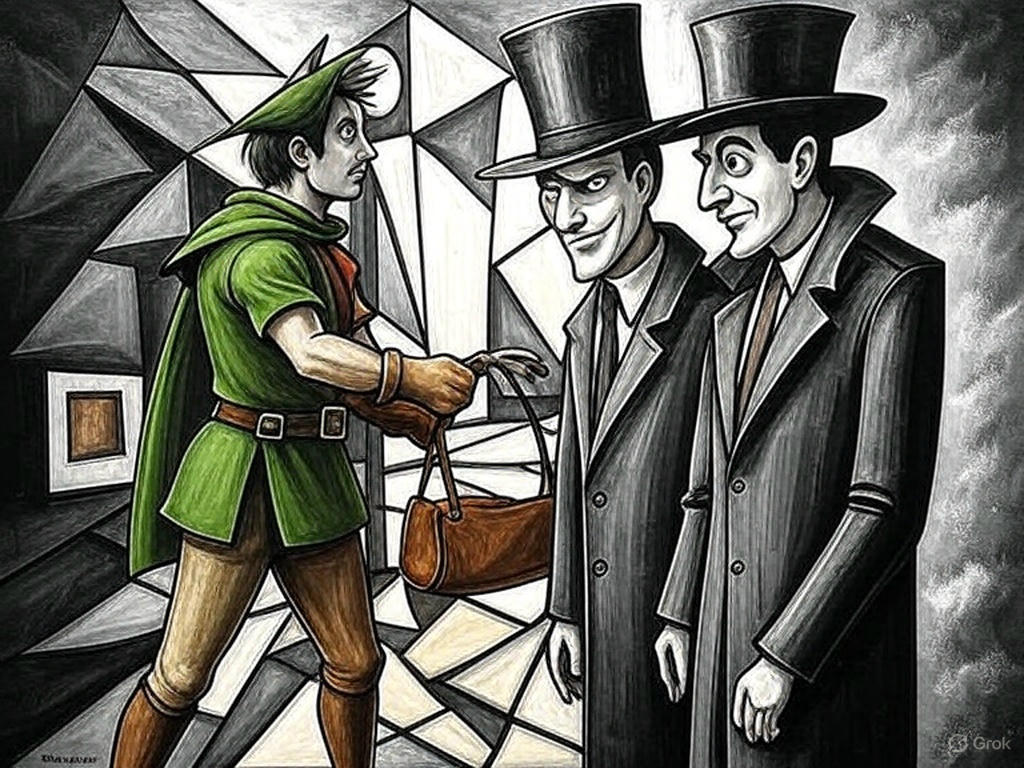
The thing with the Robin Hood myth that permeates so many of our favorite stories about thieves is that our more modern interpretations have twisted the original tales. We can’t call these modern portrayals wrong, because there’s no definitive evidence to suggest that an actual Robin Hood ever existed. Yet, the current interpretations are very different from the original English ballads and poems about this fictional character. They referred to a Robin Hood who stole from corrupt government officials who overtaxed and overregulated their constituents. These pre-Victorian-era English ballads and poems of Robin Hood detail how the Sheriff of Nottingham and the abusive local authorities overtaxed and over regulated their constituents to empower the government and line the government officials’ pockets. Why did this fictional hero prove so popular? Were the governments of this era too powerful? Were the people of Robin Hood’s era so overtaxed and over regulated that they were so reliant on government that they needed a hero to take that money and power back?
These government officials became “the rich” by stripping their constituents of financial freedom through confiscatory taxes and burdensome regulations, and Robin Hood stole in back. For whatever reason, the Victorian-era fiction writers began leaving out the idea that the rich were government officials, and their bad guys were those individuals who amassed their own wealth. We don’t know why the Victorian-era writers rewrote the tale to leave out government officials, so we can only speculate that it either fit their worldview to do so, or they feared reprisals from their own government officials.
The altruistic, Robin Hood-style thief who steals from the rich and gives to the poor is such a romantic figure that we forget that some thieves steal stuff just because they want other people’s stuff. We think it says something about us that we assign noble goals to thievery. “They are only doing it to feed their children.” Some are, of course, but how many steal for the Thrill of it All? How many steal, because “He has so much that he won’t even miss it.” How many thieves “only steal from bad guys”? How many steal, because they think they deserve to have nice things? It is complicated in some cases, but in others, it’s actually quite simple.
No writer is going to write a story about a thief who just wants to steal things though. That would deprive their story of romantic and/or empathetic attachments. We want our fictional thieves, mass murderers, and other assorted criminals to be noble when they inflict pain on other people. Yet, we don’t need to read Dostoyevsky to understand that no thief considers themselves the bad guy in their autobiographical tale. All we need to do is listen to them. AsSocrates once said, “No one knowingly commits an evil action. Evil is turned into good in the mind.” They just have a want, and a want can easily be twisted into a need for those who want/need the justification.

In the modern landscape, writers climb all over one another to depict the “gritty reality that no one wants to hear.” Yet, when they have their complicated characters say, “I only take from the rich,” they only have their characters steal from hedge fund managers who have yachts and second and third homes. I’ve never stolen from a hedge fund manager, but I have to imagine it’s not only very difficult, it’s fraught with peril. I have to imagine that most hedge fund managers have the best and most updated security systems set up in their homes and to guard their internet activity, and they also have a team of lawyers on retainer who are always on the lookout for cases to justify their existence. Thus, not only would it prove more difficult for the thief to steal from hedge fund managers, if they get caught, they know their prosecutors will be high-priced lawyers who know how to secure justice.
Like the great white shark and the mountain lion, most thieves don’t act impulsively. They don’t want to get hurt, and they don’t want to get caught, so they profile their victims and stalk their prey, studying their practices and patterns for vulnerabilities. They want to know how easy it’s going to be to steal. If they’re able to steal something, they’d prefer victims who don’t have the money or the wherewithal to prosecute them. Thus, most real-life thieves aren’t as likely to pursue the noble cause of stealing from a hedge fund manager. They’d prefer to go after a little old lady’s life savings.
No thief ever says anything along the lines of, “I’m actually a bad guy, and I have no qualms about saying that. I don’t care who I have to steal from, I’ll steal from my own mother if it means avoiding having to go to work. Say what you want about stealing, but it is so much easier than working for a living. People who work are such saps, especially when there are so many vulnerable people in the world who have so much stuff worth stealing. Hey, I know my soul is tainted, and it has been for most of my life. I’m just a bad person who enjoys hurting people financially. If I have to hurt them physically to get what I want, I will, but that’s not my go-to. And if there is an afterlife, I know I’m going to pay, probably for the rest of eternity, so I’m just going to enjoy this life while it lasts.”
If no writer would have their beloved main character say such a thing, how about they have their thief drop all the typical “steals from the rich and gives to the poor” mythical justifications on us, and then steal from frail, little old ladies? To our complicated character, this would be true, technically, as the little, old lady in our production would be rich, and our thief would be poor.
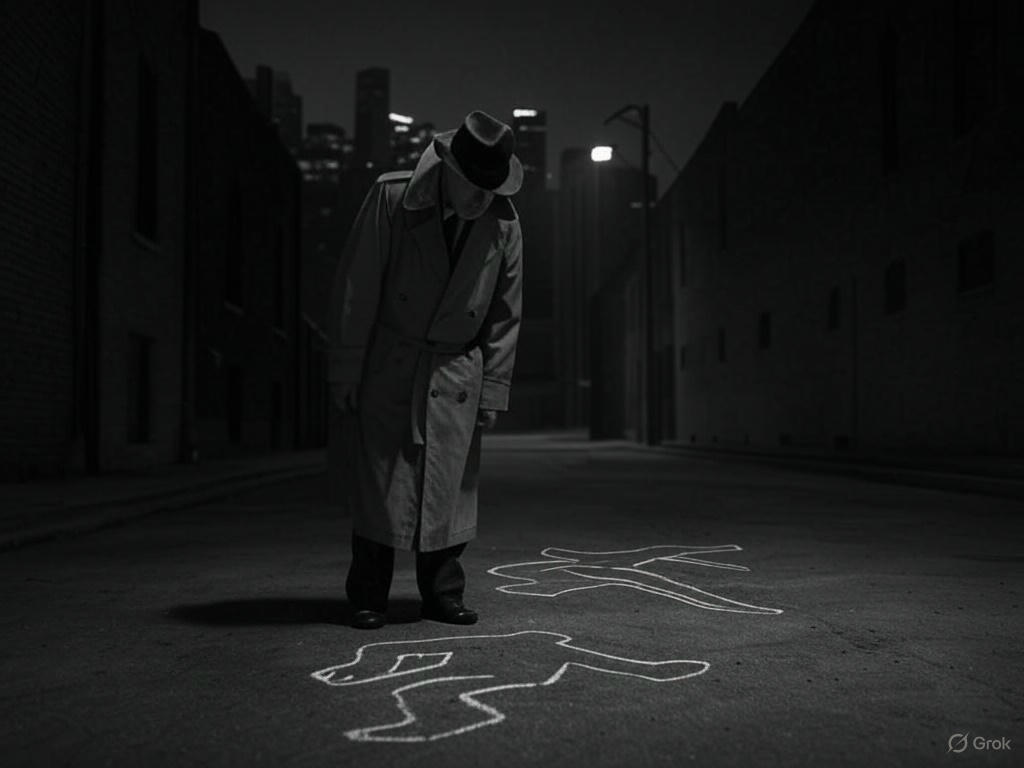
In our “gritty, real-life” production, the thief would get caught, and he would manipulate our thought patterns by complaining about the rough treatment he received from the arresting officers, the conditions of their jail cell, and how the judge took away their phone privileges. If a book captured that effectively and creatively established our otherwise sympathetic character saying a line like, “I only steal from frail, vulnerable old women because it’s easier and they don’t fight back. They just scream a lot about how I’m stealing their life’s savings and all that, and I find their tears delicious.” That book would not sell well, because it would be so confusing.
I think it’s safe to say that we’re accustomed to our “bad guys” turning out to be the production’s most virtuous character when the smoke clears, and the generally agreed upon “good guy” being found out to be the complicated character in the end. We don’t want our favorite bad guys to hurt genuinely nice people just for the money. We also don’t want to learn a lot about the victims. We prefer they be largely faceless entities and corporations that have no people involved, or unattractive people who haven’t bothered to monitor their diets well. We prefer that the author avoid characterizing them, so we can enjoy the violent thefts without having to go through the guilt of watching the victims suffer. Or, if they’re going to characterize them, we prefer the victims be bad guys that no one but our very perceptive thief knows is a bad guy, because he’s done his research. We want those “good guys” who are actually bad to pay, because that’s the typical duality we’ve come to expect in our modern movies.
Some thieves experience remorse for their actions, some regret getting caught, but our psychopathic thief would prefer to steal from the lemonade stands that seven-year-olds set up, because that’s easy money. “I love money. I don’t care how I have to get it. I love money.” Our complicated character would characterize that seven-year-old, lemonade stand’s lead entrepreneur as a bad girl, because he considered her so aggressive that she was likely a bully. Then, on his death bed, our complicated thief would steal something from the dying patient with whom he was forced to share a hospital room. As our movie closes, his theft is discovered, and one of his nephews turns to the thief’s wife, hugs her, and says, “Well, he died doing what he loved.” Now that would be “a gritty taste of reality that would unnerve audiences about the reality of our world.”
Whenever I sit through one of these modern portrayals of the nobility of the thief, the Robin Hood-style tales, I think about every thief I’ve encountered. They’re not prejudicial about choosing victims, as long as it’s easy, and they don’t give the proceeds from their theft to anyone, poor or otherwise, because, for all intents and purposes, they consider it theirs now. “I went to all the trouble of planning this, and I put my can on the line to get it. If they want theirs, they gotta go get it themelves!”
I know my experiences with criminals, thieves, and fraudsters are anecdotal, but I worked in the fraud division of a huge company, and I spoke with hundreds of victims and alleged perpetrators on a daily basis. Those who created our website gave these thieves the opportunity to be an anonymous figure who could try to rip off other anonymous people in almost total anonymity. They weren’t ripping off a Helen Otterberg form Pocatello, Idaho, in their mind, they were ripping off a faceless, Hotter@internetcompany.com entity. They weren’t Steve Jurgensen from Loch Arbour, New Jersey, in their mind, they were Imhotep@othercompany.com. The anonymity, relieved the alleged perpetrators from the feelings of remorse or guilt they may have felt if they actually saw Helen. Well, I spoke to the Helens of the world, some of them were little old ladies who were a little careless with their information, and they didn’t the first thing about spotting fraud on the internet. The Steves didn’t hear the fear and sadness I heard on the other end of the line, and some of them may not have cared if they had. They believed they could use the anonymity inherent in the platform my bosses created to steal as much money as possible.
Our fraud teams stopped an overwhelming amount of money from being withdrawn from our system into the fraudsters’ bank accounts, but we did not seek law enforcement’s assistance, unless the fraudster’s activity reached very specific levels. Thus, it was on the victim to seek further action, and in my experience few of them did. They considered it our job to stop the money, and it was, but once we completed our job, the matter was basically closed as far as most victims were concerned, and the victim and the alleged perpetrator learned something from the experience, and they both adjusted accordingly. As I wrote, these experiences are all anecdotal, but my experiences with friends who stole stuff, and my work in a fraud unit, gave me a better taste of the true thief’s mentality than most will ever have.
Even with experiences that differ from what screenwriters portray on screen, I still love fictional violent crime dramas. I think The Godfather I and II, Goodfellas, Pulp Fiction, Breaking Bad, Better Call Saul, and The Sopranos are some of the greatest productions of all time. I also love their cringey, complicated moral relativism, their attempts to achieve nobility, and the excuses these characters use to absolve themselves of wrecking so many lives with their actions. Yet, I absolve myself for ever flirting with the notion that their actions were justified by saying I don’t believe in the supernatural beings with supernatural powers, but if I know if I want to enjoy a movie about them, it’s incumbent upon me to suspend my disbelief for as long as it takes to enjoy the movie.
 Rilaly