“Never meet your heroes,” they say. “They’ll only disappoint you.”
“OK, but what do you want them to do for you?”
This is the question I ask those who have had “disappointing experiences” meeting a noteworthy figure. Working at a hotel front desk, I met several stars, celebrities, and other notable figures. I don’t know if I ever worshipped at the feet of America’s definition of royalty, but I eventually met so many of them that I didn’t treat them much different than anyone else. They didn’t treat me any better than anyone else, but they didn’t treat me worse either. They treated me with as much as respect as they would anyone else, but, and this is the huge BUT of this article, I didn’t expect anything else.
 I’ve watched you interact with them in the hotel lobby, however, and I saw how disappointed you were when you walked away. It took me a while to realize that it’s not the individuals we admire who disappoint us, it’s the interaction. We wanted our experience to somehow, and in some way, be as meaningful to them as it was to us.
Most of the notable figures I’ve met aren’t great, awful, charismatic, boring, nice, unkind, dismissive or engaging. Most notable figures are common people who just happened to have something fortunate happen to them along the way. I’m not saying they didn’t earn their notable status, or that they weren’t talented or skilled in their arena, but almost all of them were nothing more than a face in the crowd of skilled and talented people striving for advancement at one point in their career. Most of the actors we admire happened to fit a character better than everyone else in that particular casting room, and they were in the right place at the right time that helped them secure that role that defined them. We developed a relationship with that character, and when we met the actor who played that character, we expected them to consummate our relationship to that character in a way that left us satisfied. I’ve seen that on your faces, and I’ve seen the way your shoulders dropped weightlessly after they politely shook your hand and said, “Hello, nice to meet you.” You expected them to do something more than be nice and polite to you. You wanted them to acknowledge how important you are to them, because they wouldn’t be where they are without people like you, and you were so disappointed that they were just politely kind to you.
I also think that when we run into them in a hotel lobby, we’re kind of disappointed to meet Robin Williams. We wanted to meet Mork from Ork. Robin Williams, as it turned out, was a little quiet and withdrawn. Was he polite and nice, sure, but I expected him to be a little crazy like he was when he was a guest on The Tonight Show.
“I never know what to say to them,” a notable young figure confessed when we finally made it into the elevator to escape the hotel lobby.
 This notable young actor was kind to those who were gob smacked by his sudden appearance in a hotel lobby. He said, “Hello!” to them, he shook hands, and he even took photos with them. A good time was had by all, but the young celebrity ended the encounter somewhat prematurely by telling them he had to go. We went up to his hotel room, and he had nothing to do there, no one to call, and nowhere to go. He just wanted to keep his appearance in the lobby brief, so he didn’t do or say anything to disappoint his adoring fans. I was stunned to hear him admit they made him nervous. My takeaway was that he didn’t want to do or say anything to shatter their belief that there was something special about him.
“There’s no way they can live up to your expectations, and they know that.”
 The young actor knew something it would take me a while to gather. The impressions we have of Hollywood stars is often based on their highlight reels, and everything they do in person can only diminish those idealized images we have of them. If he stayed in that lobby too long, he might accidentally slip into someone like himself when we prefer him to stay in character.
“You made one of my favorite comedies of all time,” one of the fans said when we were all still in lobby. The actor thanked him for the compliment, and he smiled when the man went into detail, far too much detail, regarding the nature of his compliment. The actor was as kind and gracious as he could be. The actor would never tell this fan how little he had to do with that production. The actor was the face we saw, knew, and attached to the production, but all we have to do is watch the credits to see how many names are involved in the production. His was the most notable name, and one of the primary reasons we purchased a ticket, but he was just one of numerous names involved in its production. He would never tell a fan how little his involvement was in the day-to-day activities of bringing that movie to the fan.
Our favorite actors had our favorite lines written for him, a director asked for several takes from which to choose, and the editors and other players mastered the final cut, but we only know the star. When we insinuate that our favorite star from our favorite production is hilarious, how do they live up to our expectations in one take in a hotel lobby? How do they create a worthwhile experience for us? We won’t think of it that way, of course, and we’ll tell our friends, family, Yahoo readers, and Redditors that we don’t find him “as funny in person, as he is in the movies.” We don’t intentionally compare them to their highlight reels, but it’s how we know them, and it’s tough to shake those images.
We would all love to be famous but imagine reaching a point in that stratosphere where we end up disappointing everyone we meet. Imagine being Michael Jordan, the most notable sports figure in the world for a time. To avoid disappointing fans or damaging his legacy, Michael Jordan decided the smartest thing for him to do was hide in the hotel rooms of cities he visited. When his friends, teammates, and family went out on the town, enjoying everything those cities had to offer, the greatest, richest athlete of his generation hid in hotel rooms.
Michael Jordan might be a very charming person who knows how to use his dynamic personality to reach most people, but if we met him at a Walmart, Michael Jordan couldn’t possibly live up to the expectations we have of Michael Jordan.
Kelsey Grammer was an hysterical and charming presence in our homes for decades, but if we ran into him at a convenience store, purchasing potato chips, we’d find out he’s not Frasier. He’s probably a nice, polite man, but boring! He’s probably going to be incapable of living up to the montage of our favorite moments on Frasier, unless he agreed to do our run-in numerous times, so we could select our favorite version of the encounter.
Of all the notable figures I met, I met a few who raised my eyebrows. I knew they were checking into our hotel beforehand, and I rehearsed our interaction a couple of times, they didn’t, and I knew they wouldn’t, because why would they?
“He’s likely going to be more interested in what women think.”
When I met one of my favorite musicians, I must admit I was a little gobsmacked. I told him how much I enjoyed his music, and he put a hand out for me to shake and said, “Thanks. How you doing? Nice to meet you.”
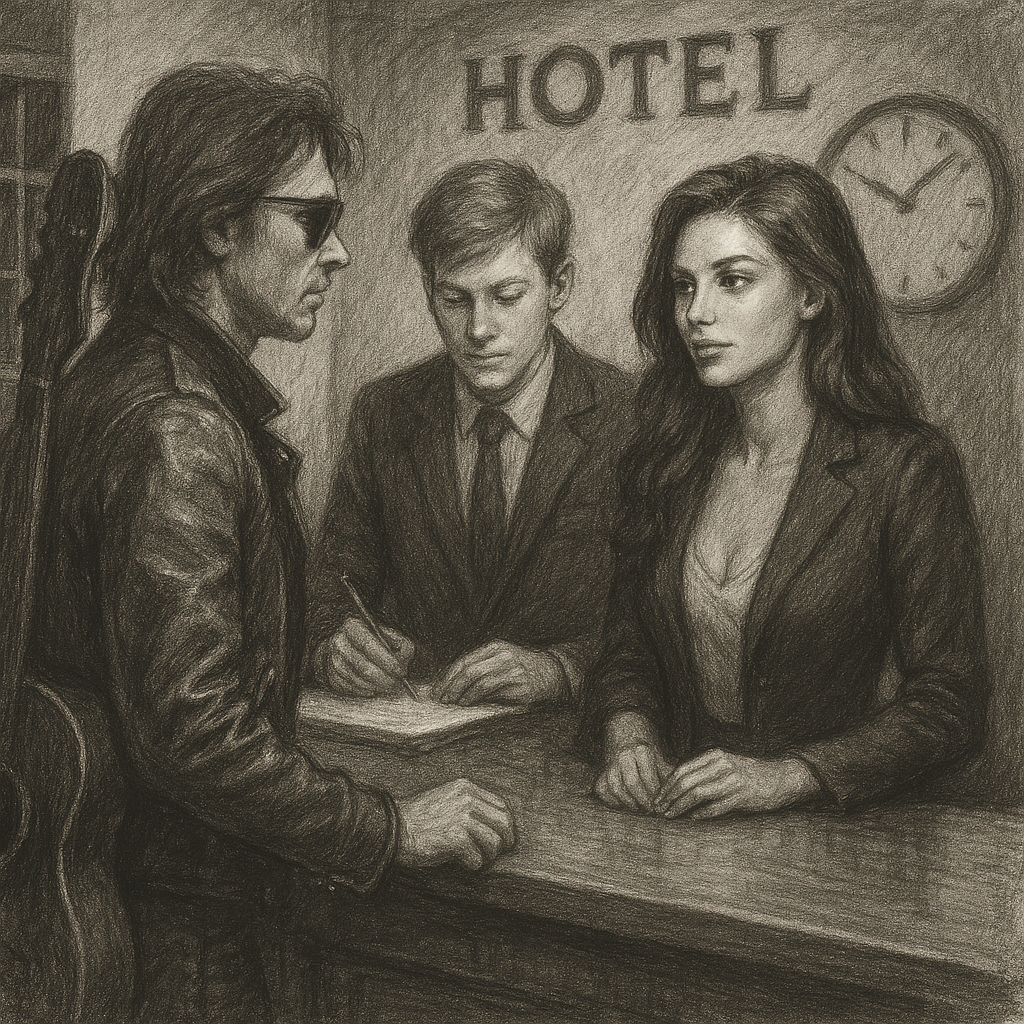 While shaking his hand, I was prepared to detail for him how much I enjoyed his music. He was never in Billboard magazine, and his music was relatively obscure, so I wanted him to know how much he affected one fan’s life. I flirted with the notion that, due to the idea that he was relatively obscure, he needed to hear what I had to say.
As I began my little rehearsed appreciation speech, I noticed he was already looking over at my co-worker, a beautiful twenty-something woman. Other than being an artistic genius, I realized this guy was a guy, and guys are far more interested in what women think. Even forty-to-fifty-year-old married men care more about what women think than some fella. Other than knowing that I was dying to meet this man, my co-worker had never heard of this man, and the two of us established that fact before he stepped up to the front desk. He quickly picked up on her unfamiliarity, and he didn’t care. He just wanted to chat with her, and he had no desire to talk to me, one of his biggest fans. He flirted with her in a polite, instinctive manner, and she dealt with it well. She was quite accustomed to anonymous men paying attention to her, regardless their age. His flirtation wasn’t cringey. He just dropped a few clever lines on her to get a laugh out of her, and after she laughed politely, he moved on, hotel key in hand. He had no real interest in her, but he had absolutely no interest in talking to me or finding out that I was a huge fan. He was a little dismissive, but he was polite, and that’s what I expected.
Before going out on message boards to detail for the world how rude this guy was, I put myself in his shoes. If the roles were reversed, I wouldn’t want to waste my A-Game material on some fella I just met either. Men, all men, want to make an impression on women, especially when those women are young and beautiful. Some readers might stubbornly insist that the guy was creepy, but this characteristic of males starts somewhere around junior high, and it never leaves us, no matter how old we are. No matter how much notoriety a man achieves, their barometer is still set on what women think of them. The woman may do nothing more than chuckle, smile, or say, “Isn’t that interesting,” but it’s still better than what some anonymous man, working an entry level job might think.
“How can they possibly top the impression we already have of them?”
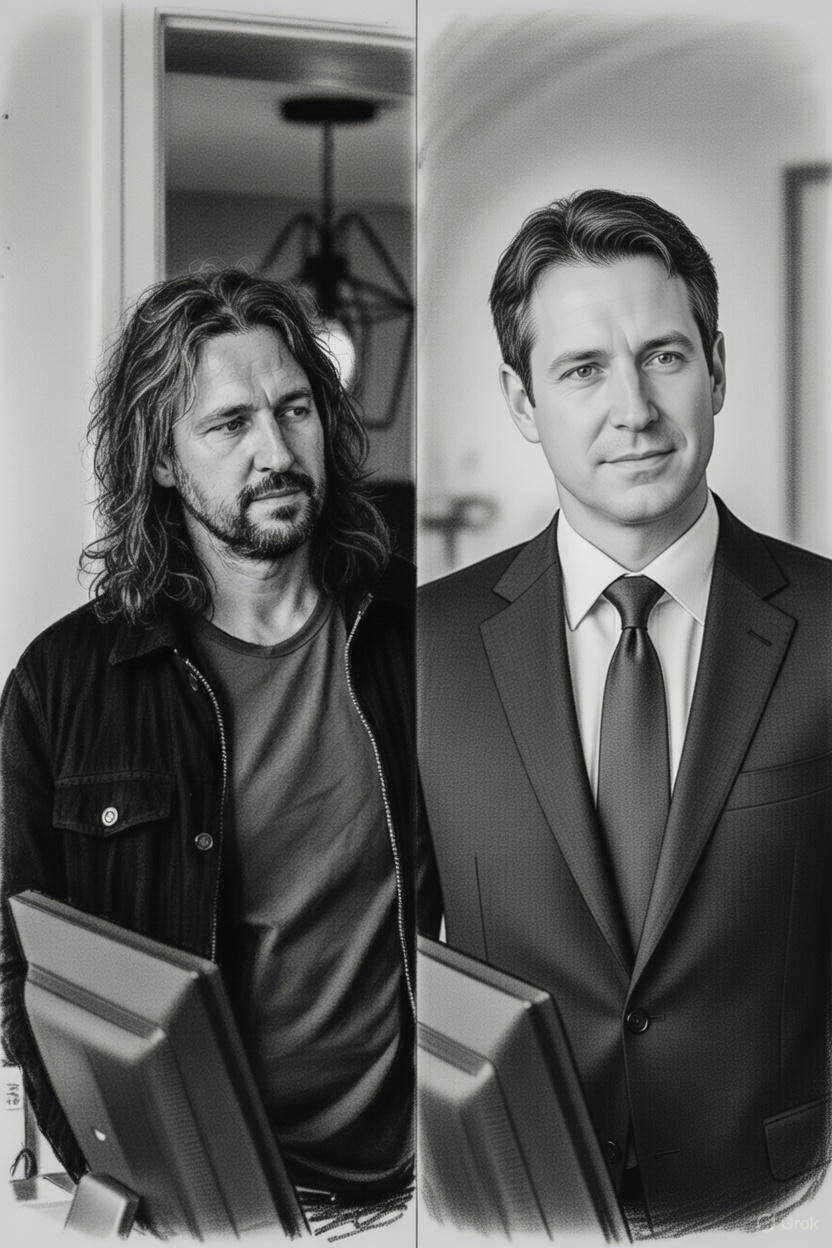 Movies are shot to make actors appear tall, of average height, or in a way to prevent us from being distracted by his height. They have makeup personnel to prevent us from seeing how bad her skin is. They have hair stylists to prevent them from having a bad hair day. They have dental personnel on retainer (no pun intended) to prevent us from seeing their yellow tooth in the movie. Those teams gather to help the actor form an idealized image on screen. Once those teams complete the idealized image, the presentation teams take over. If the star doesn’t appear charming enough, happy enough, or strong enough in a scene, the director reshoots it until they do. Then the editors watch the final product, and if necessary, they might call the actor back to reshoot a particular scene that wasn’t perfect. If any of those characteristics are impossible to achieve on a day of shooting, they don’t shoot that day. So, when we meet them in a hotel lobby, on an otherwise boring Thursday, expect them to be different than what we expected, because most of us are, and our lasting impression of them will probably be unfair, because that’s who we are.
Bob Dylan Refused to Meet Elvis Presley
Bob Dylan learned firsthand how meeting his heroes could prove disappointing. After Robert Allen Zimmerman became Bob Dylan, he entered into the inner sanctum of top-tier entertainers, and most of the individuals in that inner circle likely disappointed Dylan. As evidence of this when the greatest entertainer of his generation, Elvis Presley extended an invite to Dylan to meet the king, Dylan turned it down.
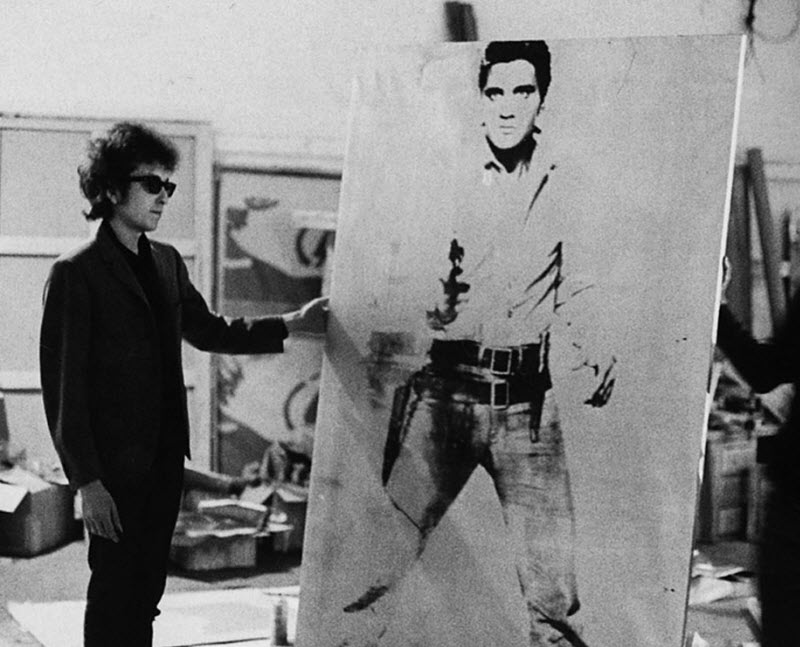 It sounds odd, I know, considering who Bob Dylan was, is, and what he became, but Elvis inspired Dylan early on. If that was the case, why would Dylan turn a once-in-a-lifetime opportunity to meet the man down? There are reasons listed in the article, but my guess is that they all culminated in the idea of Elvis, and the image of Elvis, proving so instrumental in Bob Dylan’s early career. Dylan probably strove to live up to what he considered the Elvis ideal. Why would Dylan want to risk damaging that by actually meeting the man in real life? Dylan was never as famous as Elvis, of course, but my guess is Dylan didn’t want Elvis to disappoint him in the manner so many others had. Not Elvis. Imagine meeting that man, that guy, that hero of yours who, in his own way, caused you to be better at whatever it is you do. What could that man possibly do, or say, to encourage you onward, and why would you actually want to meet that man if he couldn’t possibly do anything but disappoint you.
“Heroes? You’re talking about heroes? I’m not some seven-year-old sitting in front of a TV in my pajamas watching Superman cartoons. I’m a grown man. I don’t have heroes.” We age out of hero-worship, but there is always a super-secret part of us that remembers our childhood heroes fondly. They help us rekindle happened to be a very special time in our lives, and there’s no way they can live up to such lofty and unfair expectations. So, the next time you have the unexpected chance to meet one of your heroes, remember to set your lasers to “reasonable expectations”, or follow Bob Dylan’s path and just walk away to keep your unrealistic myths alive. They won’t be hurt by it, trust me, and they might actually be relieved, because they won’t have to live up to yet another person’s unrealistic expectations of them.










 Rilaly